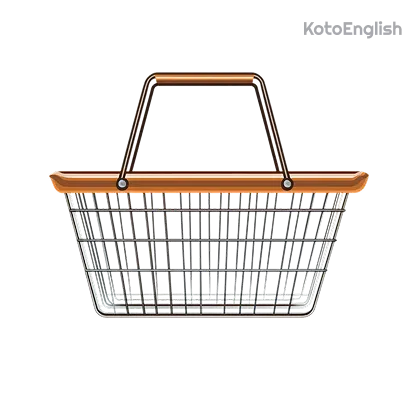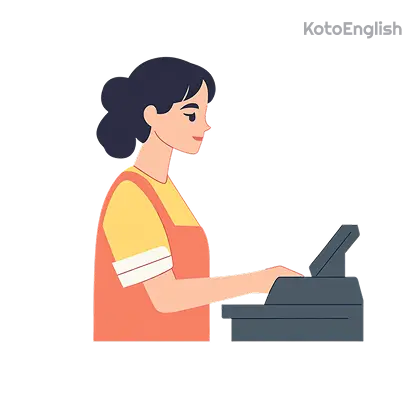

Customer (noun) — A person who pays for products in cafes, restaurants, and shops.
How to Pronounce “Customer”?
 Audio (UK):

 Audio (US):
The word has three syllables. The first, pronounced as /kʌs/, is stressed. The second sounds as /tə/ and the third as /mə/. Both of these are weak syllables, with the schwa sound /ə/ (uh).
Level up your English with Koto!
Examples: How to Use “Customer” in a Sentence?
Look at how “customer” is applied in real-life situations:
What Are Synonyms for the Word “Customer”?
The “customer” description suits several other words you can use instead of it:
Related nouns: shop store money price
Synonyms (contextual): client buyer consumer purchaser
Common collocations: to listen to a customer to attract customers customer account
“Customer” Word Formation and Description in Context
These words will allow you to discuss different situations that happen in shops, from what customers do to what they feel.
With adjectives: new customer happy customer loyal customer
With verbs: customer pays customer waits customer asks customer complains
With nouns (noun + noun): customer information customer number customer list
Cool Idioms and Phrases with “Customer”
You will be able to talk about shops and their bonus programs after learning some of these useful phrases:
-
Customer service is the help that a customer receives from people who work in a shop before, during or after they buy something.
Customer service in this shop is the best. They always find clothes that suit me. -
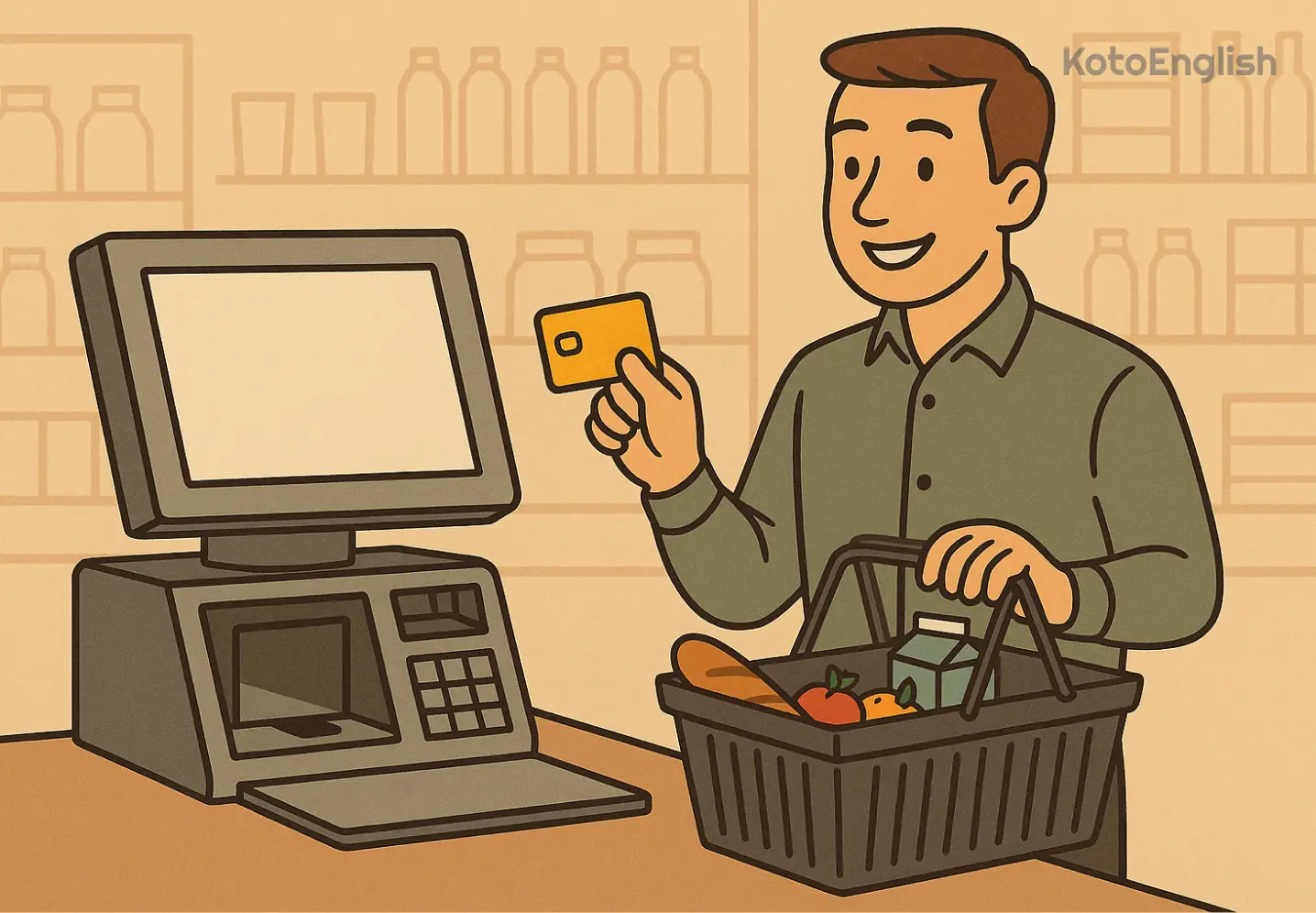
A customer card refers to a special card that a customer can use to buy discounted products and services.
They gave me theircustomer card , and now I have a 10% discount in their shop.
-
A regular customer is a phrase that describes a person who regularly buys something in one shop.
The cashier knows me because I’m theirregular customer . I go there every week.
See What You Remember About Customer Meaning – Quiz Time!
You’ve learned so many collocations and idioms and know how to define “customer.” It is time to find out whether you can put your knowledge into practice.
Enjoy personalized learning!
“Customer” Word in Other European Languages
“Customer” in English has more variations than in other languages. Learn how to read this word in French, Spanish and German.
| Language | Word for “Customer” |
|---|---|
 Spanish
 |
Cliente |
 French
 |
Kunde |
 German
 |
Client |
Did You Know These Fascinating Facts about “Customer”?
What does “customer” mean for big brands? What do we know about customer service in Mesopotamia? Read further to know about everything.
-
The oldest written customer complaint dates back to 1750 BCE.
The message that was found in the city of Ur, which is in modern Iraq, was left for a merchant who offered goods of poor quality. You can find the text on the Guinness World Records website. -
The company with the largest customer base is Unilever.
You may not know the name of this brand, but you probably have at least one of its products at home. It states that more than 3 billion people use its products every day: food, cosmetics, or cleaning supplies. -
Not every customer is allowed to buy a Birkin bag.
Even if you have about $10,000–$200,000 of free money and the desire to buy a bag, you probably won’t be able to. If you want to be offered to buy one, you need a long history of Hermès purchases. -
Zappos had a customer service call that lasted almost eleven hours.
The brand is very attentive to its relationship with its customers, so sometimes its calls last very long and sound more like a conversation with a friend.
Popular Quotes With “Customer”
This word appears in countless marketing materials, and the most notable are featured below:
Running one of the most successful businesses in the world, Jeff Bezos says that it is more important to think about your customer than to compete with others.
— Marshall Field
One of the most popular phrases in retail and service is to not argue with your clients and to agree to their conditions, even when they are wrong.
— Henry Ford
When providing services and creating products, employers and employees need to think about customers, because they are those who pay wages.