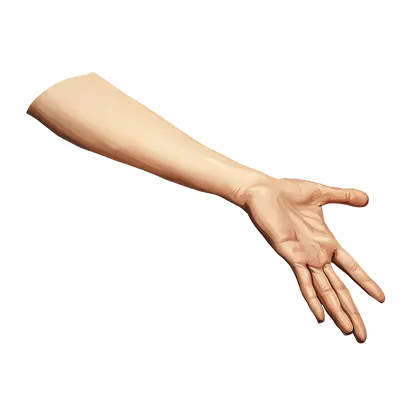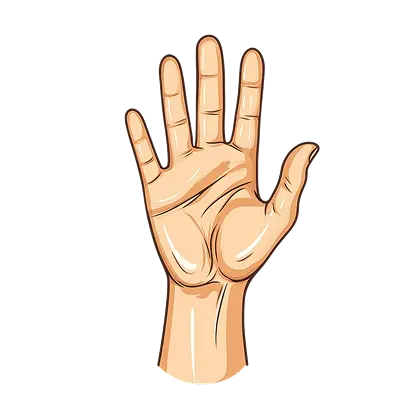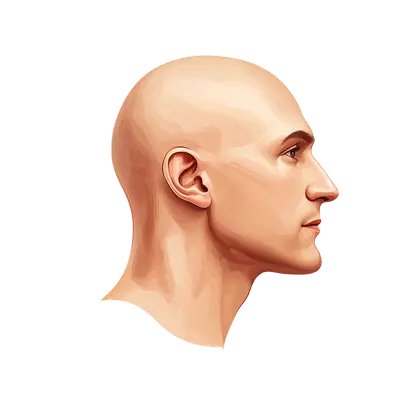

Head (noun) — the uppermost part of the human or animal body, containing the brain, eyes, ears, nose, and mouth. Beyond anatomy, it can mean a leader, a point of origin, the front of something, or a person counted in a group.
How to Pronounce “Head”?
 Audio (UK):

 Audio (US):
Start with a clean h as if letting out a short sigh, follow it with the short e sound like in bed, and end with a crisp d — no dragging, keep it neat.
Level up your English with Koto!
Examples: How to Use “Head” in a Sentence
Seeing the term “head” in context shows how it works literally, figuratively, and metaphorically, from anatomy to leadership, direction, and decision-making.
What Are Synonyms for the Word “Head”?
Learning synonyms for “head” helps you describe anatomy, leadership, or abstract concepts more vividly.
Related nouns: face hair ear eye nose mouth
Synonyms (contextual): none, it’s a specific noun
Common collocations: head over heels keep your head head start head office head count
“Head” Word Formation and Description in Context
Alone, “head” refers simply to the top part of the body, but with other words it can mark leadership, indicate direction, or express abstract ideas.
With adjectives: clear head strong head busy head creative head
With verbs: shake your head bow your head raise your head turn your head lose your head
With nouns (noun + noun): head office head teacher head start head space head count
Idioms and Phrases with “Head”
The word “head” appears in many of the idioms, which explains its concept of authority, decision-making, resilience, and determination.
-
Keep one’s head — to stay cool and think straight in a tight spot.
Even during the chaotic presentation, she managed tokeep her head and answer every question with confidence. -
Off the top of your head — to say something without deep thought or research.
Off the top of my head , I can think of three books that match your description. -
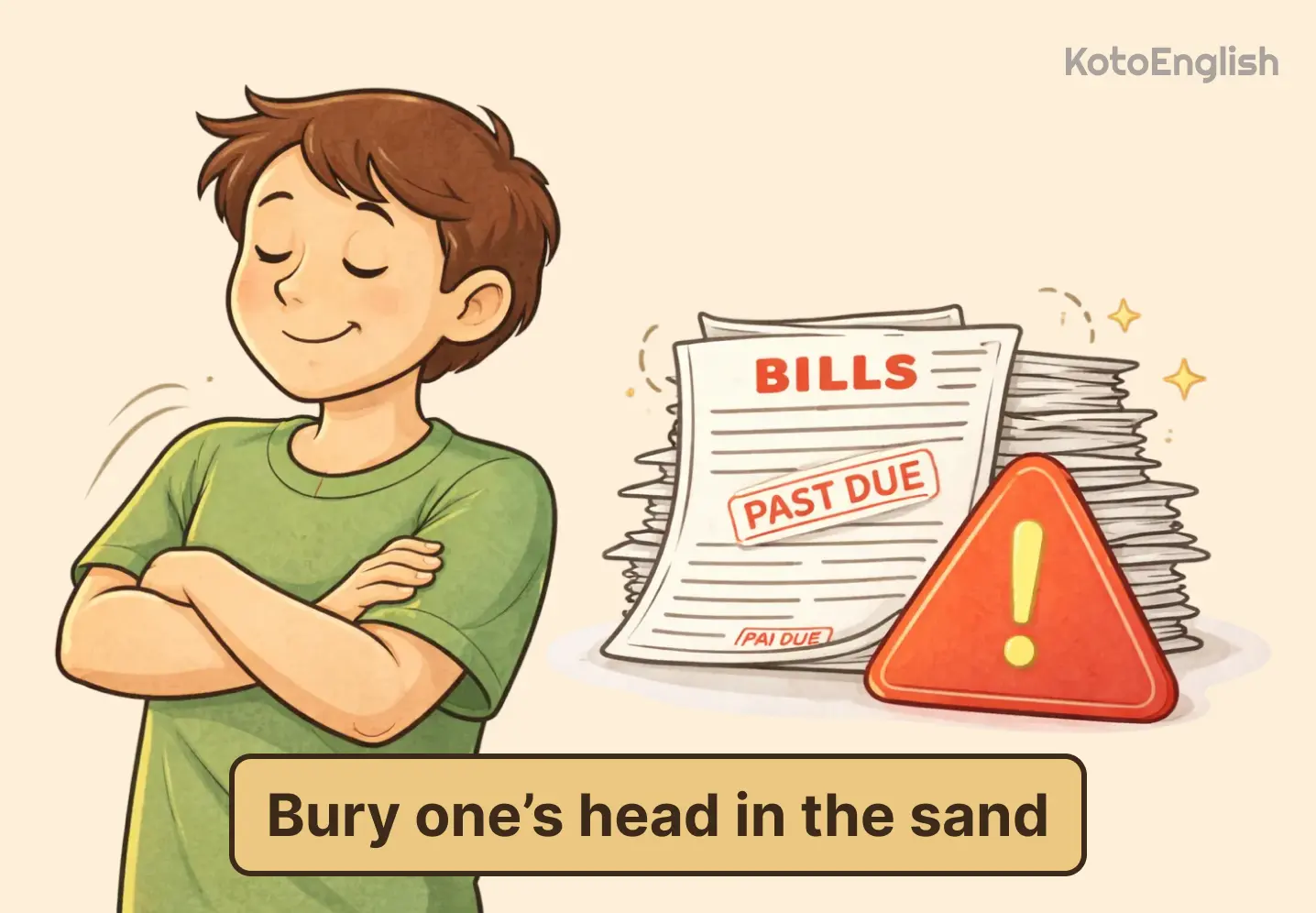
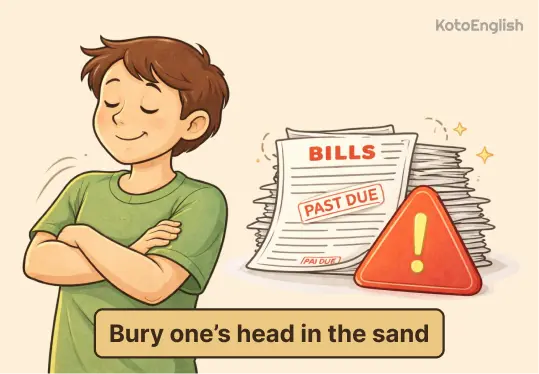
Bury one’s head in the sand — to turn a blind eye or look the other way when it comes to an issue.
He keptburying his head in the sand about his debts until it was too late to fix them.
-
Head over heels — to be completely in love or deeply excited about something.
She fellhead over heels for the city the moment she arrived. -
Use one’s head — to think carefully and make a sensible decision.
Before buying that expensive gadget,use your head and check if you actually need it. -
Keep one’s head above water — managing to survive or cope when life gets difficult, often against overwhelming odds.
She was juggling two jobs, night classes, and family responsibilities, but she managed tokeep her head above water , handling everything with quiet determination.
Quiz Yourself on the “Head” Meaning
Now it is time to check your understanding. See how “head” functions in real situations, idioms, and common phrases.
Enjoy personalized learning!
“Head” Word Spelling in Other Languages
Words for head may change from country to country, but knowing how to say “head” helps you connect across cultures.
| Language | Word for “Head” |
|---|---|
 Spanish
 |
Cabeza |
 French
 |
Tête |
 German
 |
Kopf |
Fascinating Facts and Insights About “Head”
Heads guide, think, and lead. From decisions to direction, they define a “head” as more than a body part, shaping how we think, interact, and interpret the world.
-
A command center is located at the head.
Every action we take is coordinated by the head, which houses our brain, eyes, hearing, nose, and mouth. It is the ultimate multitasking hub, capable of both commanding movement and perceiving the surroundings. -
“Head” in art and literature.
Heads have inspired artists and leaders alike. Leonardo da Vinci used to paint complex studies of the human head, whereas statues of Cleopatra are the symbols of power and presence. Even idioms like “keep your head above water” reflect guidance and composure. -
Your head holds a record for speed.
Neurons in the brain can fire up to 268 miles per hour. Every thought, blink, or reflex owes its speed to this lightning-fast network. -
The head is heavier than you think.
An adult human head weighs around 10–11 pounds (4.5–5 kg), roughly the weight of a bowling ball. That’s a lot to balance on your neck all day!
Famous Expressions Featuring “Head”
Words from writers, actors, and historical figures highlight the head’s power, showing how it governs thinking, action, and leadership.
— Euripides
Explanation: Euripides uses “head” to represent leadership, showing that numbers alone cannot succeed without guidance and strategy.
— Claude Monet
Explanation: In this phrase, the head signifies innovation and anticipation and indicates that the innovation of art demands an image of an idea.
— Nelson Mandela
Explanation: Mandela notes that while a call to friendly discourse appeals to the deeper emotions, a call to the mind appeals to reason.