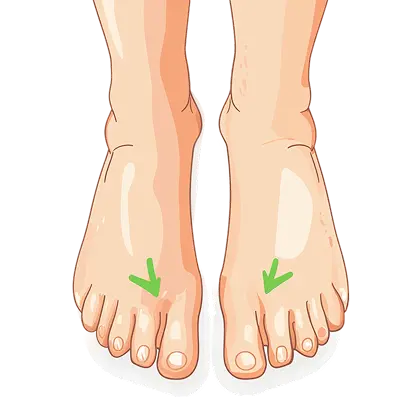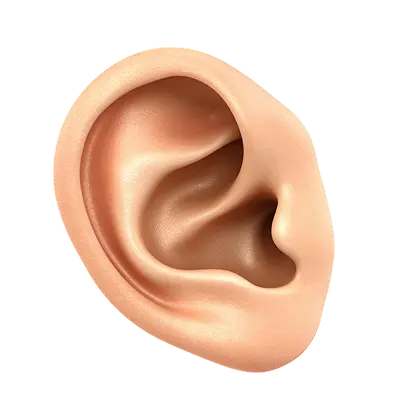
Ears (noun) — the organ of hearing and balance in humans and other vertebrates, usually consisting of an outer, middle, and inner part; also refers to a similar organ in animals that can perceive or appreciate sounds, music, or language.
How to Pronounce “Ears”?
 Audio (UK):

 Audio (US):
Start with a short i, as in sit, blending into er, as in “her,” and ending with a soft z, sounding like eerz.
Level up your English with Koto!
Examples: How to Use “Ears” in a Sentence?
Take a look at the usage of this word in order to provide or receive certain information and generally boost your English.
What Are Synonyms for the Word “Ears”?
There are no direct synonyms for this word, but there are some expressions that can be used in various contexts to refer to the “ear” or its parts.
Related nouns: auditory system hearing auricles pinna
Synonyms (contextual): none, it is a specific noun
Common collocations: have sensitive ears clear ears cover your ears
“Ears” Word Formation and Description in Context
Learn more about the combination of this word with other parts of speech, since it will help you understand more about building meaningful collocations and their practical usage.
With adjectives: big ears sensitive ears long ears round ears
With verbs: rub ears wash ears pull ears check your ears
With nouns (noun + noun): ear shape ear hole ear care ear doctor
Idioms and Phrases with “Ears”
What do “ears” mean if we talk about specific idiomatic contexts? Let’s discover it now using explanations and examples of usage within sentences.
-
All ears — To be fully attentive and ready to listen.
The children wereall ears as their grandmother told them a magical bedtime story. -
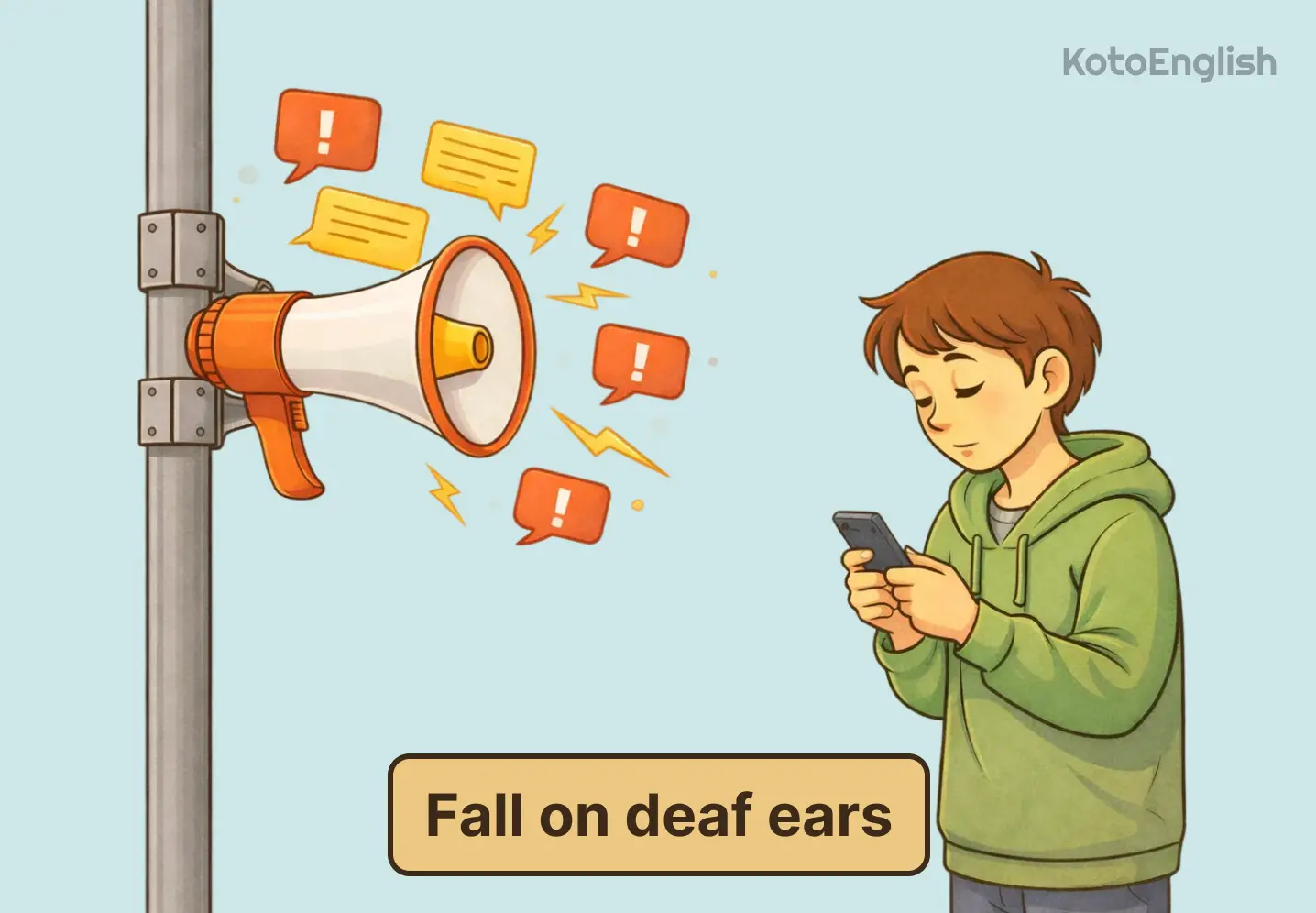
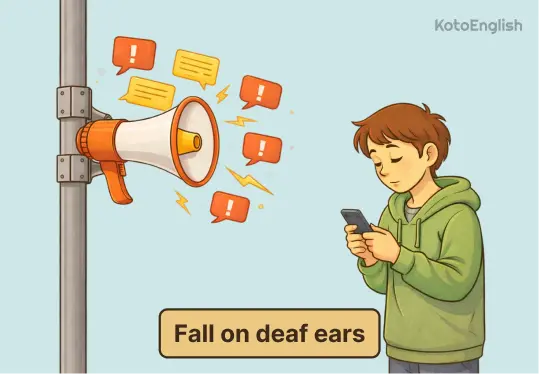
Fall on deaf ears — To be ignored or disregarded, even though the message was delivered.
Her warnings about the risks of the projectfell on deaf ears because the team moved forward without caution.
-
Lend an ear — To listen sympathetically or attentively to someone.
Whenever I feel stressed, my best friend is always there tolend an ear .
Test Your Awareness of Ears Meaning — Quiz Time!
Define ears, choose the right answers, and use your knowledge in practice with our interesting intellectual game.
Enjoy personalized learning!
“Ears” Word in Other Languages
Learn about how to spell “ears” and pronounce them to discover different language cultures, boost your general knowledge, and impress your friends and family.
| Language | Word for “Ears” |
|---|---|
 Spanish
 |
Orejas |
 French
 |
Oreilles |
 German
 |
Ohren |
Did You Know It? Fun Facts About “Ears”
You already know about the definition of “ears,” so we invite you to go through these little-known facts and check whether you heard them or not.
-
The shape of every human ear is unique.
Each individual’s ear is uniquely characterized by a set of ridges and folds, enabling precise identification, much like fingerprints. Forensic science and biometric recognition systems steadily advance in relying on this almost imperceptible yet dependable characteristic. -
The inner ear contains the vestibular system.
The vestibular system, located in the inner ear, consists of canals and sensory receptors that work together with the brain to maintain equilibrium. This complex system enables the coordination of movements, perception of spatial orientation, and maintenance of balance. -
A Guinness World Record for pulling a plane with ears.
Johnny Strange, known as “The Man With The Ears Of Steel,” set the Guinness World Record by pulling a 677.8 kg (1494.5 lbs) Cessna 172-P over 20.11 meters (66 feet) using carabiners hooked through the piercings in his ears. -
The human ear detects sounds all the time.
The human rest and sleep phases are monitored by the auditory system, which detects sounds in the external environment. Nevertheless, the rest-keeping part of the brain filters and suppresses the nonessential and background noise to conserve sleep. -
The human ear continues to grow all the time.
Ears are the only body parts that grow as people age, and it is due to cartilage. This subtle, lifelong process contributes to the noticeable alteration in facial proportions observed in older individuals, proving that time waits for no one.
Famous Quotes Featuring “Ears”
The term “ears” may not seem so complicated at first glance, but even such a simple unit becomes a strong entity in the hands of thinkers, historians, authors, and poets who know how to use it properly.
Explanation: According to Herodotus, people tend to depend on the sense of sight more than hearing. The sense of hearing can be obscured, but the sight has the illusion of being more direct and more certain; hence, the phrase “seeing is believing” validates sight over hearing.
— Jose Bergamin
Explanation: Bergamin wittily cautions us not to take music or the critiques too seriously. Allowing it “to go in one ear and out the other” underlines the importance of enjoying music without being overly protective or apprehensive of its impact, illustrating that sometimes you have to just accept things as they are.
— Woodrow Wyatt
Explanation: Wyatt underscores the perceptual differences between men and women, implying that men are swayed by what they see, while women are influenced more by what is said to them. It points out that ”beauty is in the eye of the beholder.”