What makes a website good for learning English online?
Consider two different websites that teach English. One concentrates on grammar charts and lengthy explanations. The other encourages you to talk, practice, and finish little language tasks as you go. The educational process is what sets them apart.
The best platforms mix interactive features and clear instructions to keep students interested and develop practical communication skills.
Structured lessons vs. self-study materials
During online education, there are people who want a step-by-step method and others who want the option to study English the way they want. Most websites are geared more towards one method or the other. Comparing the two approaches makes it easier to identify a website that fits your goals.
| Feature | Structured lessons | Self-study materials |
|---|---|---|
|
Learning style |
Guided step-by-step curriculum |
Flexible, self-directed exploration |
|
Best for |
Beginners or learners who want clear progression |
Independent learners who know their goals |
|
Content format |
Organized lessons that build on each other |
Articles, videos, topic-based exercises |
|
Learning pace |
Predefined path through levels |
Users choose what and when to study |
|
Main advantage |
Clear direction and steady progress |
Freedom to focus on personal interests |
The top educational English websites let users advance step-by-step and choose how they wish to learn.
Speaking practice opportunities
Reading and listening are essential in building up knowledge, and speaking is what can turn knowledge into real communication skills. Some of the speaking features available on English learning websites are:
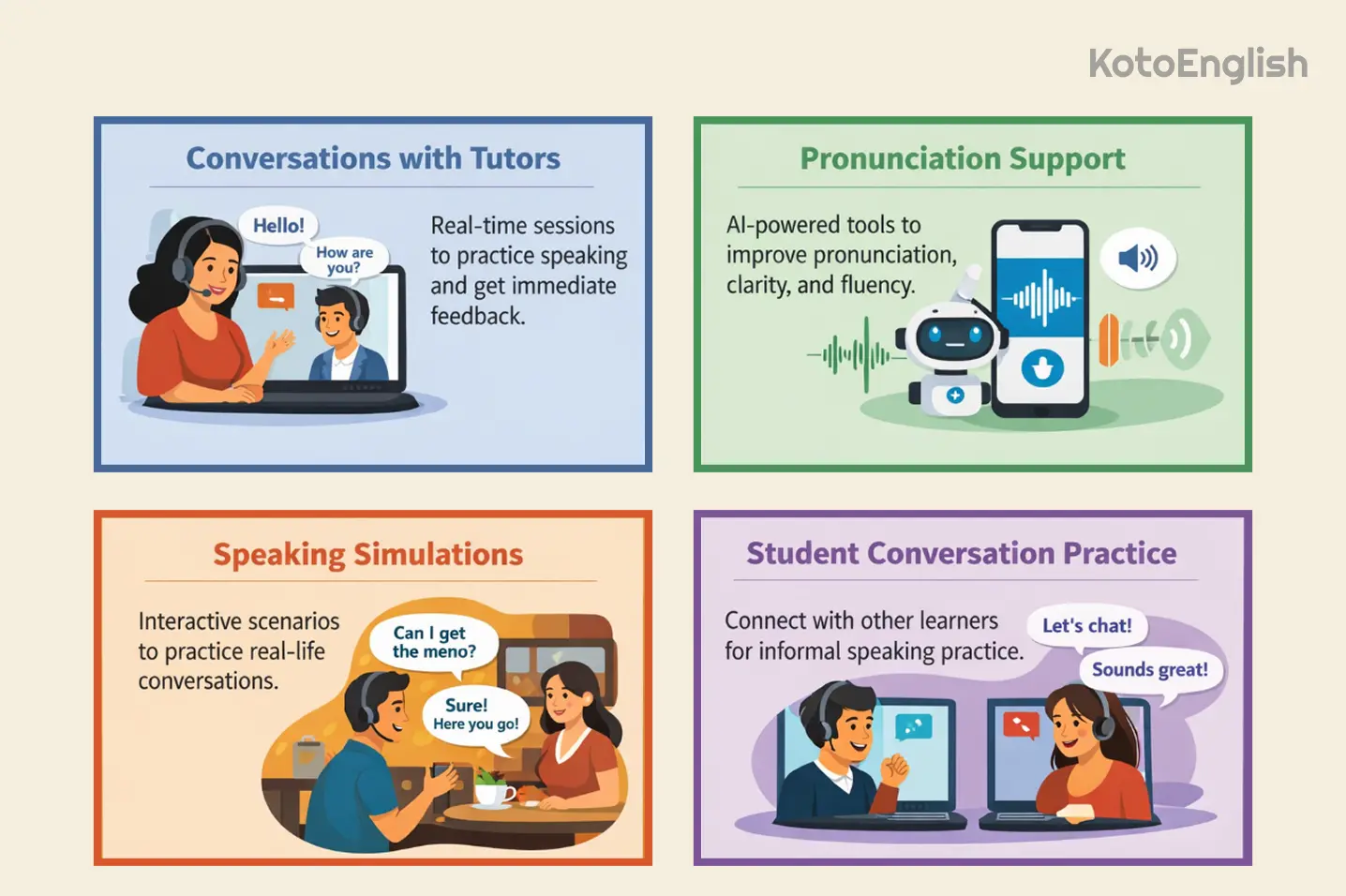
The more speaking tools are offered on websites for learning English, the more it will encourage English learners to develop their speaking skills and apply what they have learned in real-life situations.
Grammar and vocabulary support
Grammar and vocabulary are the basic tools for learning English. On good learning websites, grammar appears through clear explanations and everyday language examples.
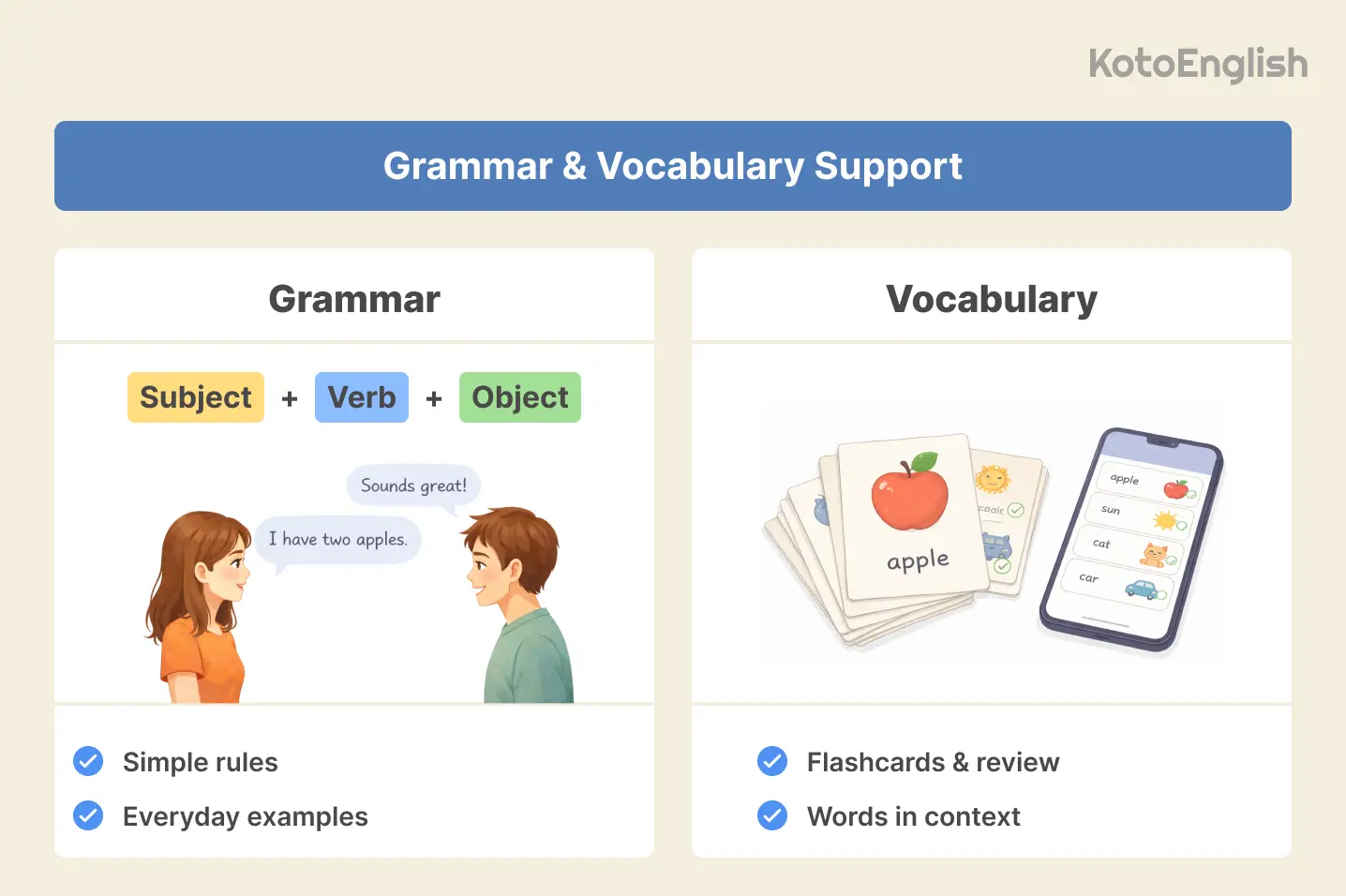
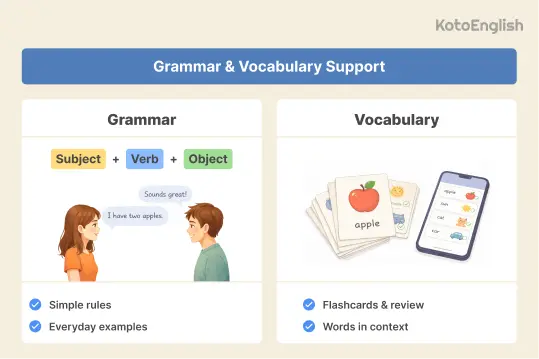
Learning vocabulary is helped by tools such as flashcards and vocabulary lists grouped by topic. The best websites will demonstrate how words are used in sentences and everyday conversation, giving users an understanding of their meaning and usage.
Interactive features and progress tracking
Instead of reading about a topic, users can complete quizzes, solve language puzzles, listen to audio, or play learning games. Progress tracking also plays an important role. Dashboards, streak counters, badges, and performance reports make improvement visible and encourage consistent practice.
Free vs. paid platforms
Free English-learning websites have made language study more accessible than ever. With basic lessons and exercises available online, beginners can explore different learning methods before investing in a more comprehensive course.
| Feature | Free platforms | Paid platforms |
|---|---|---|
|
Access |
Basic lessons and exercises |
Full courses and premium content |
|
Learning path |
Often limited or less organized |
Courses arranged with a defined learning path |
|
Speaking practice |
Usually limited |
Live tutoring or conversation sessions |
|
Personalization |
Basic features |
Personalized study plans and feedback |
|
Support |
Limited guidance |
Instructor support and advanced tools |
Though free sites can be a good introduction to English, paid ones can offer a more complete learning experience. Additional resources like an education plan, online tutoring and feedback can help you acquire English more quickly and stay engaged in the process.
The best English learning site is one you will continue to use. More than anything else, the key to English language learning is persistence.
List of the best websites to learn English
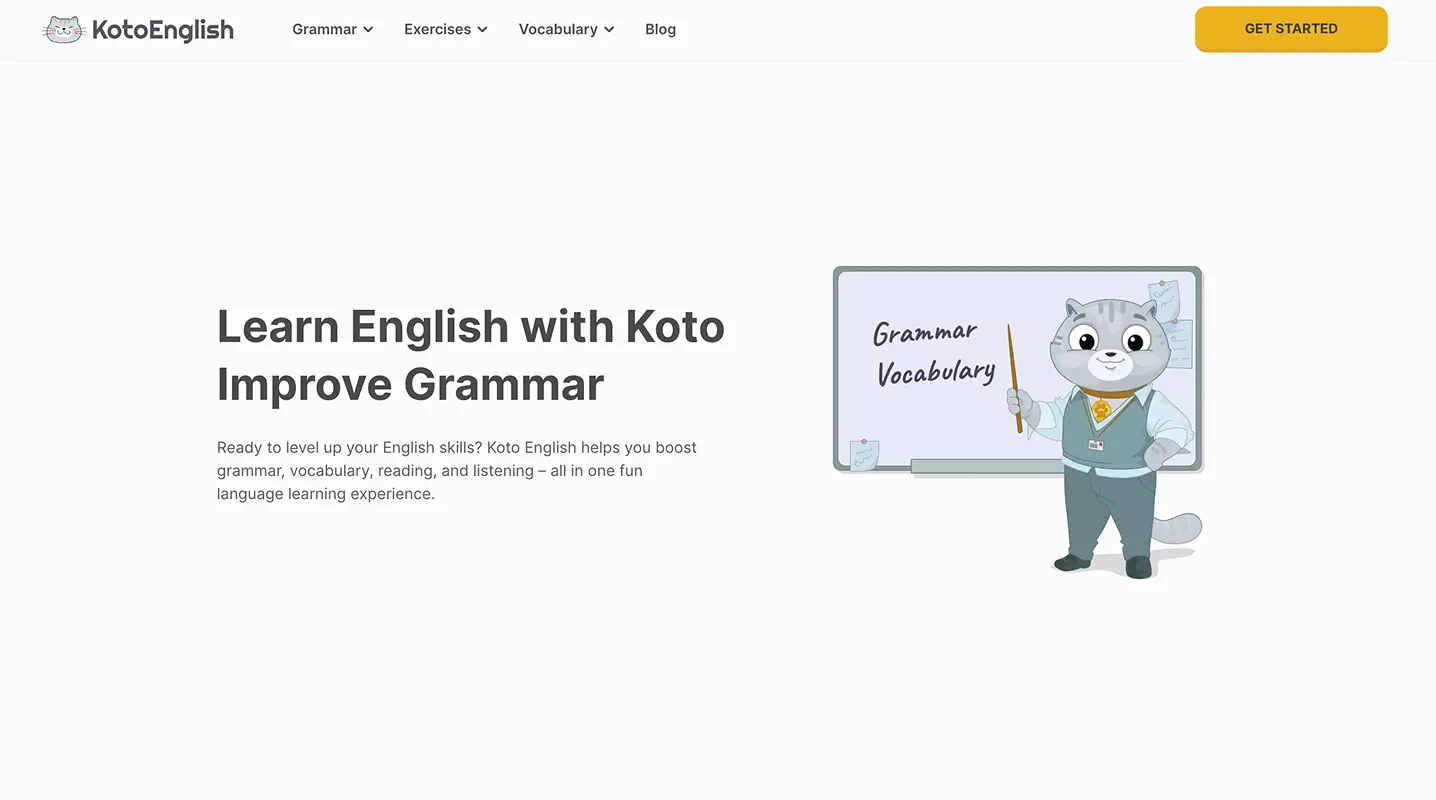
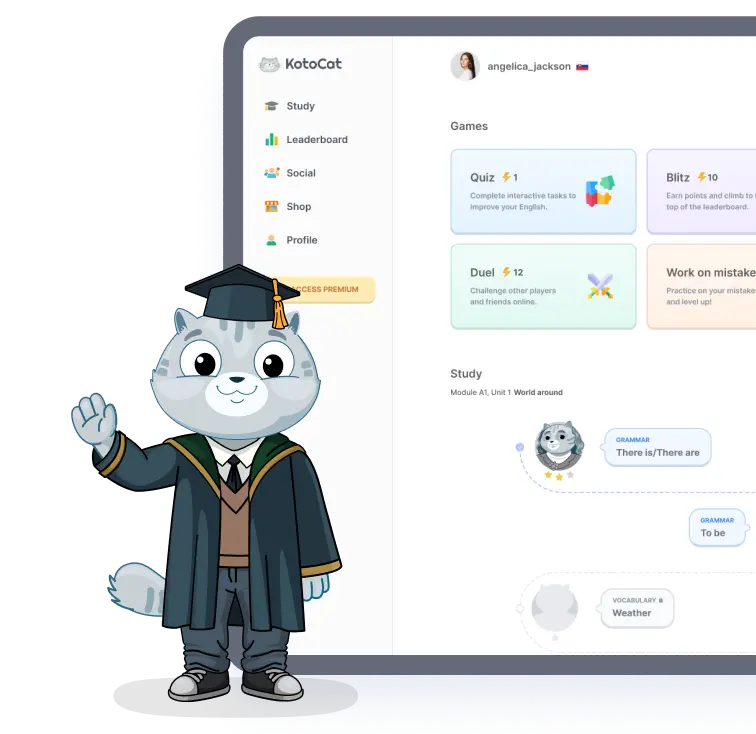
KotoEnglish is based on the idea of interactive gameplay and competition. Rather than having long lessons, the user is presented with short exercises that are designed to be completed quickly. These are intended to make grammar and vocabulary practice more interesting and engaging.
Best for: Students that get inspired by game-based learning and competitive motivation.
Key features:
- Gamified grammar and vocabulary exercises
- Fast gameplay-style learning activities
- Duels with other players and leaderboard rankings
- Detailed progress statistics and performance tracking
- Rewards and achievements for completed goals
Pros:
- Highly engaging game-style learning
- Competitive features can increase motivation
- Clear progress tracking and stats
Cons:
- Less traditional lesson structure
- May not suit learners who prefer long explanations
Duolingo
Duolingo is able to make language learning into a daily habit through this approach. The experience is similar to playing another mobile game, with streaks and levels.
Best for: Beginners starting English with short daily sessions.
Key features:
- Quick interactive lessons
- Points, streaks, and progress levels
- Listening and reading exercises
- Optional speaking prompts
Pros:
- Very accessible for beginners
- Highly motivating interface
- Large free content library
Cons:
- Limited depth for advanced learners
- Conversation practice remains basic
BBC Learning English
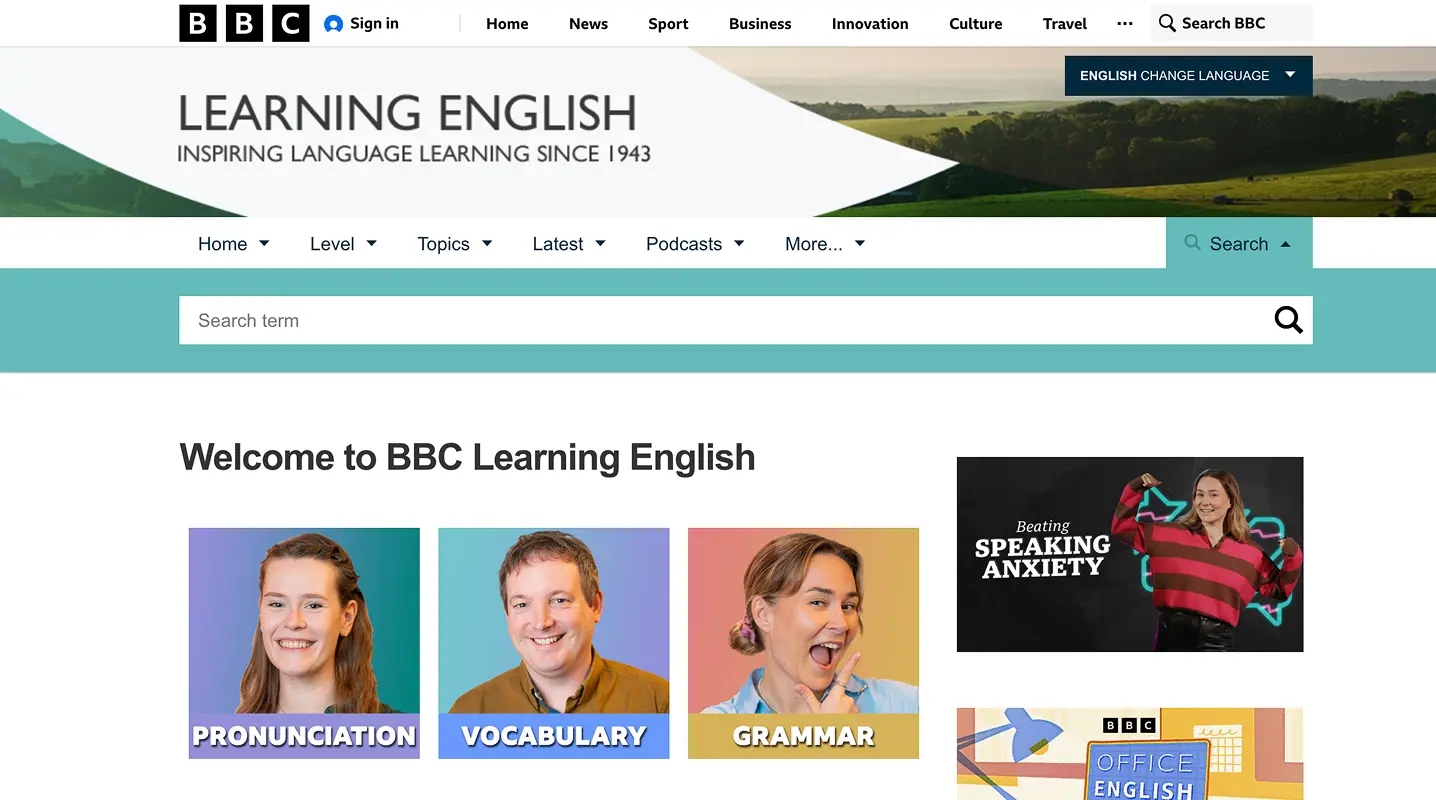
BBC Learning English gathers a wide range of lessons built around real news, culture, and everyday language use. Many materials come in video or audio format, making it possible to improve listening while learning new vocabulary connected to current topics.
Best for: English practice connected to global news and culture.
Key features:
- Video and podcast lessons
- Vocabulary explanations based on news stories
- Pronunciation guides
- Short thematic learning programs
Pros:
- Completely free learning resources
- High-quality educational content
- Strong listening practice through audio and video
Cons:
- No clear step-by-step course structure
- Very limited speaking practice
British Council LearnEnglish
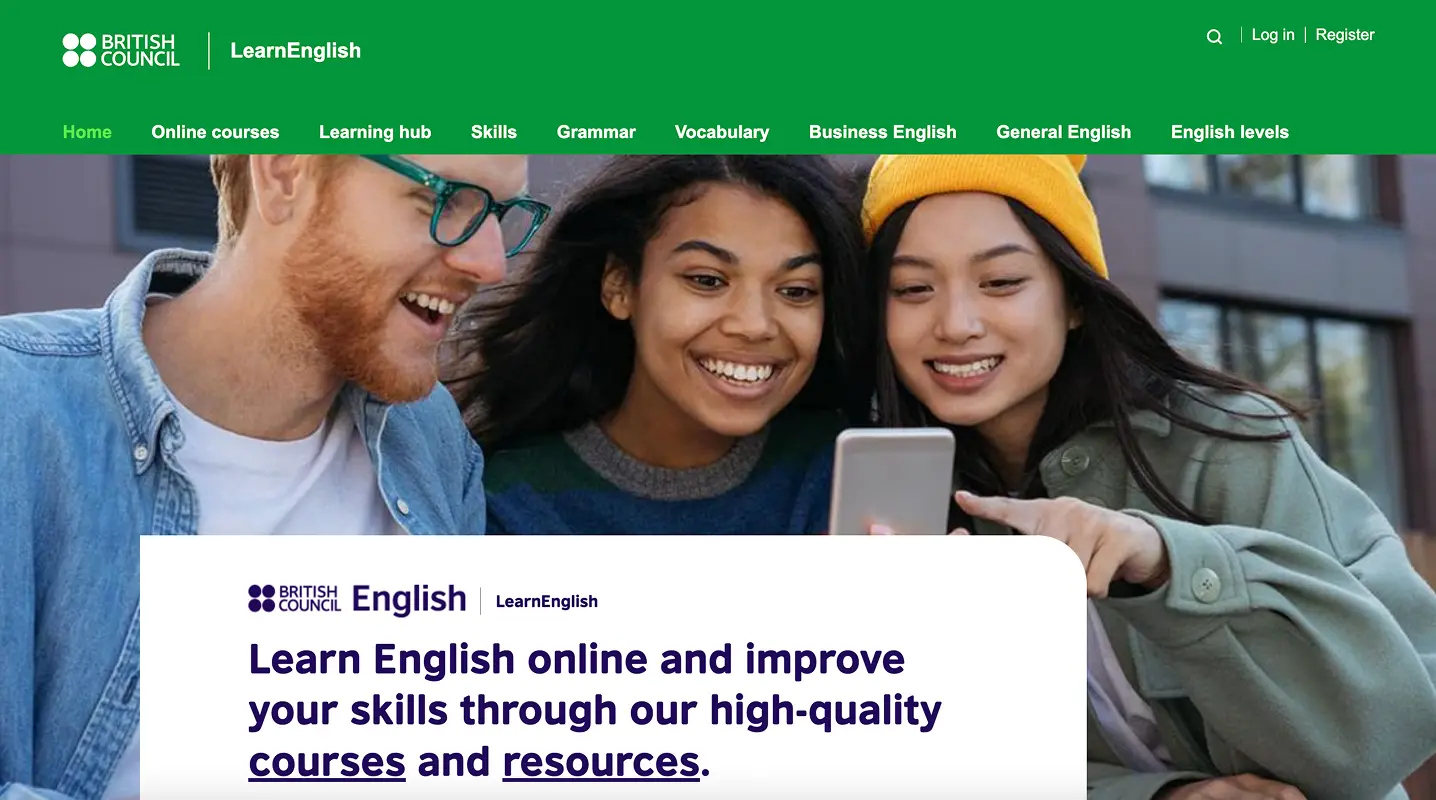

Developed by the British Council, LearnEnglish contains lessons and activities suitable for students at different stages of learning. Across the website, users can access grammar explanations, exercises, games and exam preparation materials.
Best for: Students looking for reliable academic-style learning resources.
Key features:
- Grammar and vocabulary exercises
- Listening and reading activities
- Interactive quizzes and language games
- Materials for exam preparation
Pros:
- Developed by a well-known education organization
- Large collection of learning resources
- Suitable for beginners through advanced learners
Cons:
- Interface feels more traditional than modern apps
- Few opportunities for conversation practice
Busuu
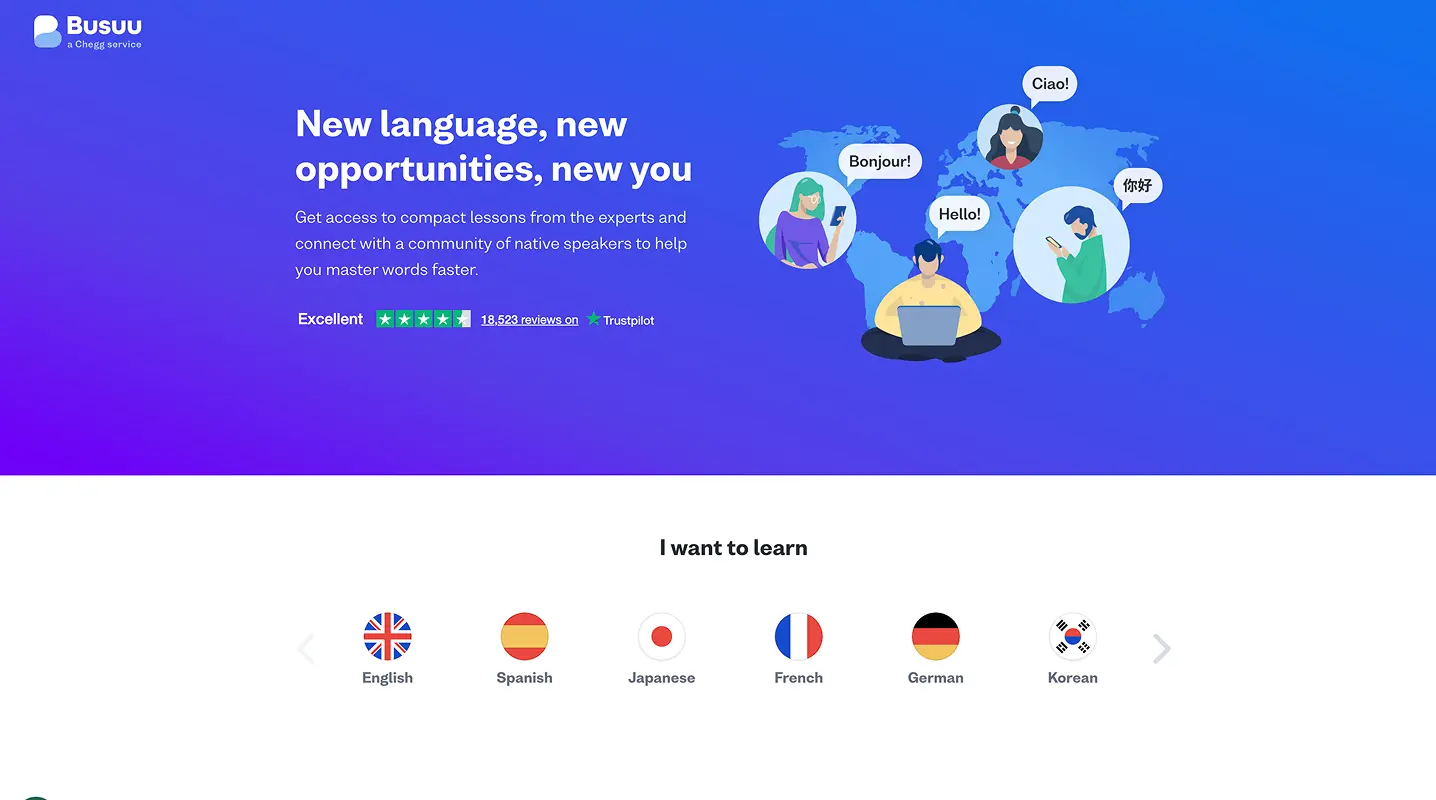
Busuu integrates language lessons with community participation. After completing exercises, users can receive corrections and feedback from native speakers, creating a more interactive learning experience.
Best for: Guided language lessons with community corrections.
Key features:
- Step-by-step language courses
- Writing exercises corrected by native speakers
- Grammar and vocabulary practice
- Personalized study plans
Pros:
- Clear learning progression
- Guidance from the Busuu community
- User-friendly mobile app
Cons:
- Full course access requires a subscription
- Limited speaking interaction
Memrise
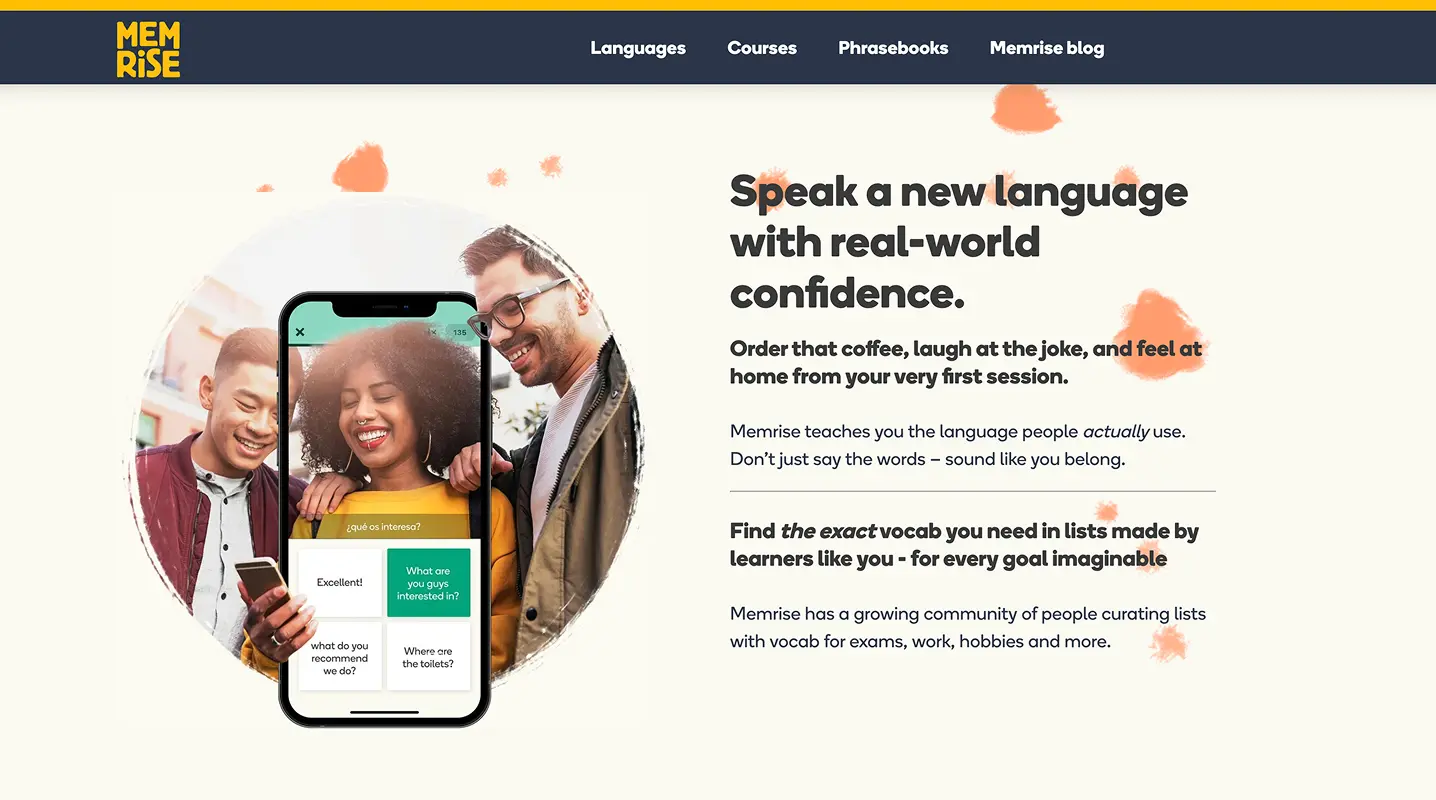

Memrise emphasizes vocabulary learning through repetition and real-life examples. Many lessons feature short videos of native speakers, allowing learners to hear natural pronunciation and conversational phrases.
Best for: Vocabulary building and everyday phrase learning.
Key features:
- Spaced repetition learning system
- Videos with native speaker pronunciation
- Short vocabulary practice sessions
- Daily learning reminders
Pros:
- Effective for memorizing new words
- Exposure to authentic pronunciation
- Short lessons that fit into daily routines
Cons:
- Limited grammar explanations
- Less comprehensive than full language courses
Cambly
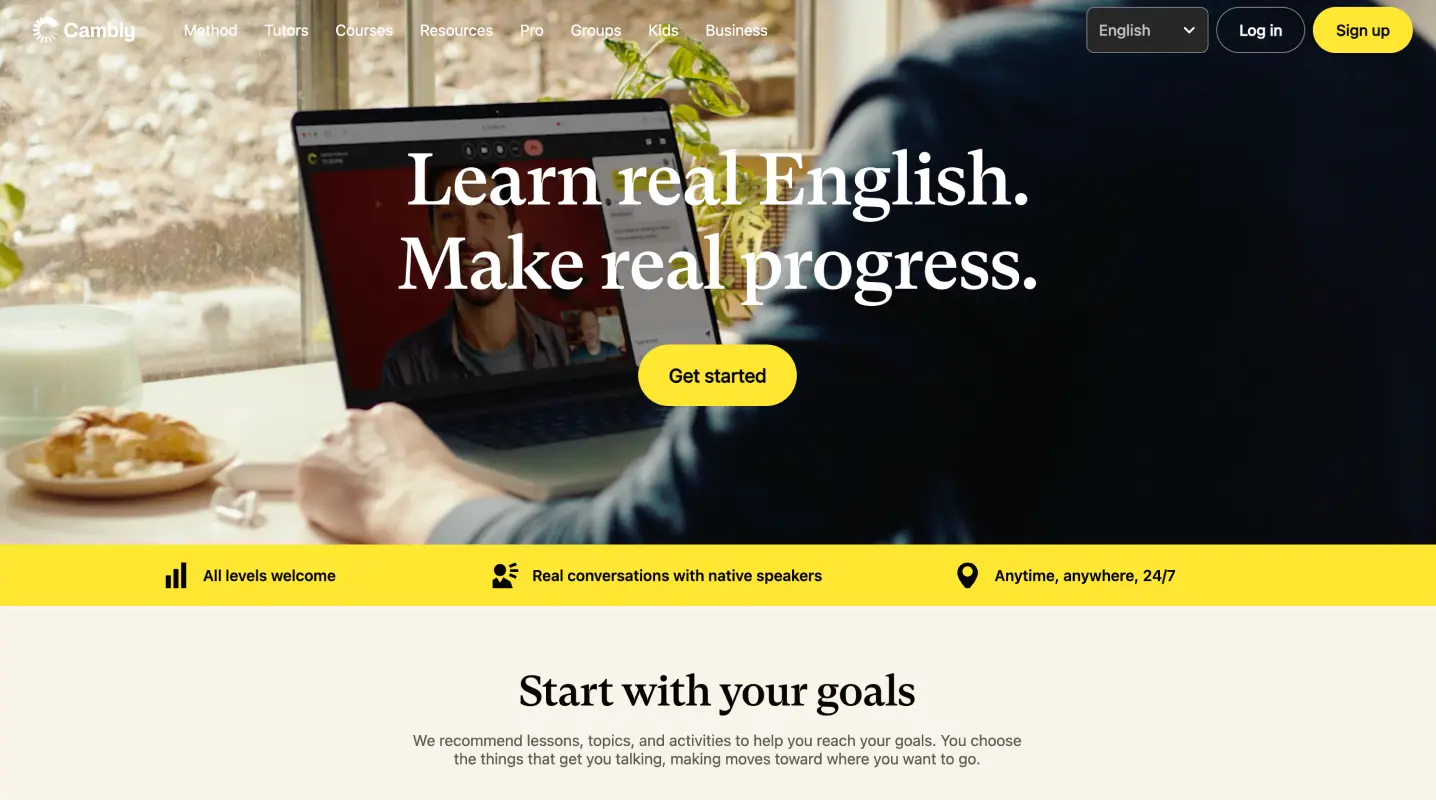

Cambly centers on live conversation practice with native English tutors. Instead of working through exercises alone, students spend most of their time speaking and receiving feedback during video sessions.
Best for: Speaking practice and real-time conversations with tutors.
Key features:
- One-on-one video conversations
- Flexible scheduling with tutors
- Pronunciation correction and feedback
- Conversation topics including business English
Pros:
- Strong focus on real communication
- Flexible lesson scheduling
- Personalized feedback from tutors
Cons:
- Higher cost compared with self-study platforms
- Few structured lessons for independent learning
Italki
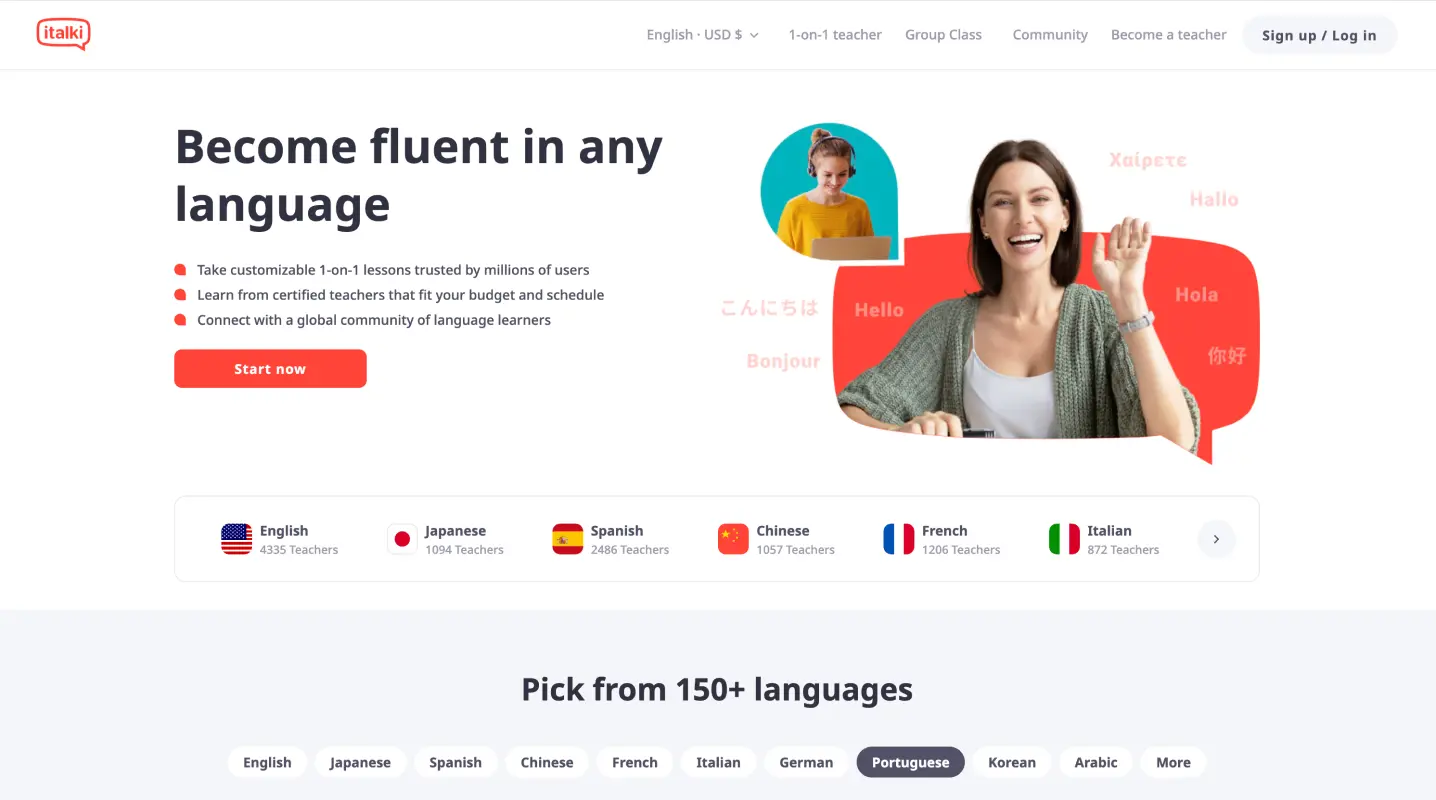
italki operates as a global marketplace for language teachers. Learners can browse teacher profiles, compare prices, and schedule individual lessons based on their goals and preferences.
Best for: Customized one-on-one lessons with independent tutors.
Key features:
- Large network of professional teachers and tutors
- Flexible lesson scheduling
- Personalized lesson plans
- Wide range of prices and teaching styles
Pros:
- Private lessons adapted to your needs
- Large selection of teachers worldwide
- Flexible pricing options
Cons:
- Lesson quality can vary between teachers
- Requires scheduling and planning lessons
Quizlet
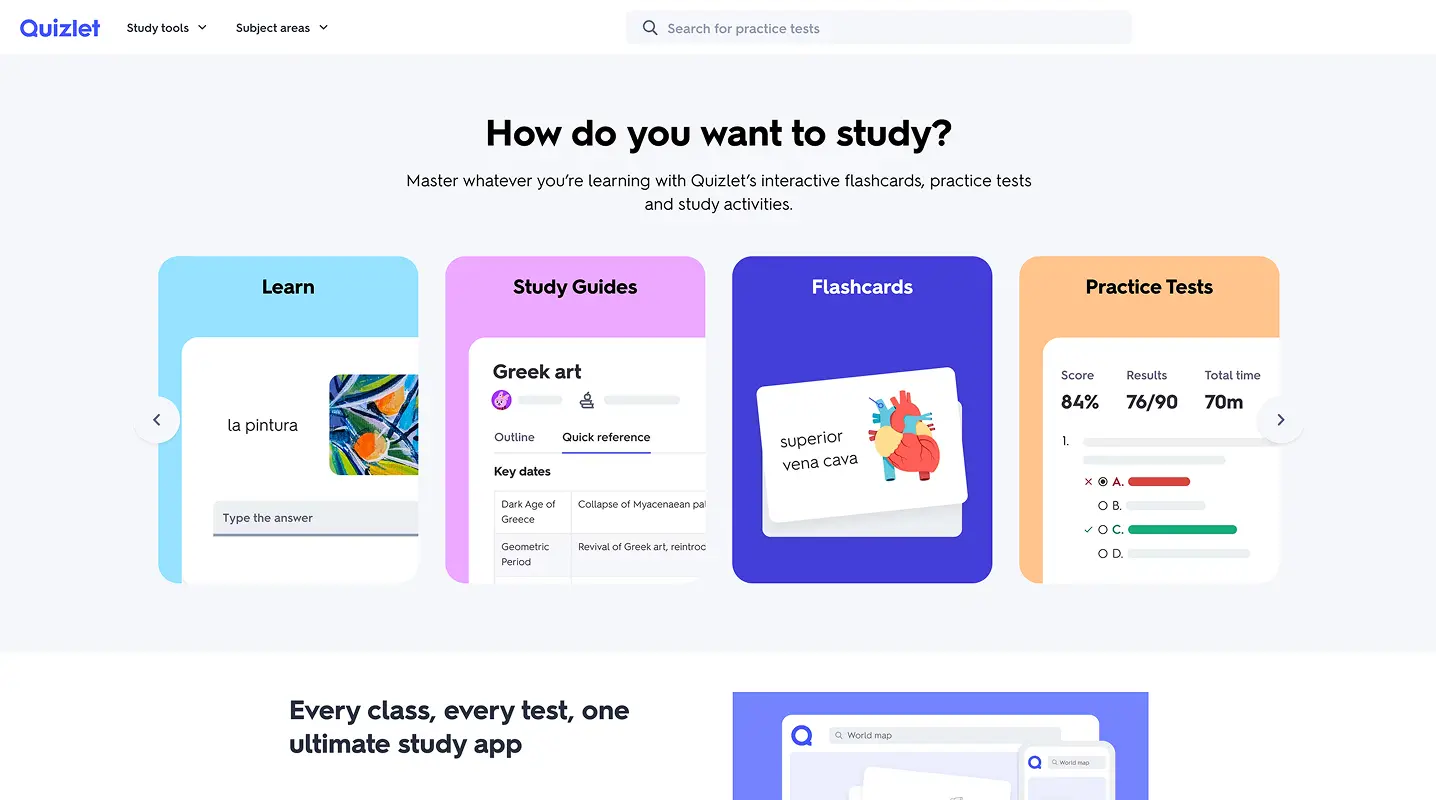
Quizlet functions mainly as a study tool for reviewing vocabulary and concepts. Flashcards, games, and quizzes allow learners to repeat words frequently until they become familiar.
Best for: Memorizing vocabulary and reviewing language concepts.
Key features:
- Digital flashcards
- Interactive quizzes and games
- Spaced repetition learning
- Large collection of user-created study sets
Pros:
- Very effective for memorization
- Simple and easy to use
- Large library of shared learning materials
Cons:
- Little emphasis on speaking practice
- Limited grammar instruction
Perfect English Grammar


Perfect English Grammar concentrates entirely on grammar learning and practice. Complex rules are presented in clear, simple terms and followed by exercises.
Best for: Understanding English grammar in a clear and systematic way.
Key features:
- Detailed grammar lessons
- Practice exercises for each topic
- Clear examples showing correct usage
- Coverage of beginner to advanced grammar
Pros:
- Clear explanations of grammar rules
- Extensive collection of exercises
- Free access to many lessons
Cons:
- Little focus on speaking or listening skills
- Simple website design with limited interactive features
How to choose the right website
There are many different ways to learn English online, from quick practice tools to in-depth language courses. In light of this, it is beneficial to know what to look for when choosing a new online resource for English learning. An in-depth analysis of a few different facets can assist in locating a website that is beneficial for continued and successful learning.
Identify your English level
Many English learning websites begin with a placement test that identifies your current skills and recommends a suitable starting point. When lessons match your ability, progress becomes much easier. Content that is too basic can feel repetitive, while material that is too challenging often leads to frustration. Good platforms guide users gradually as their knowledge develops.
Define your main goal
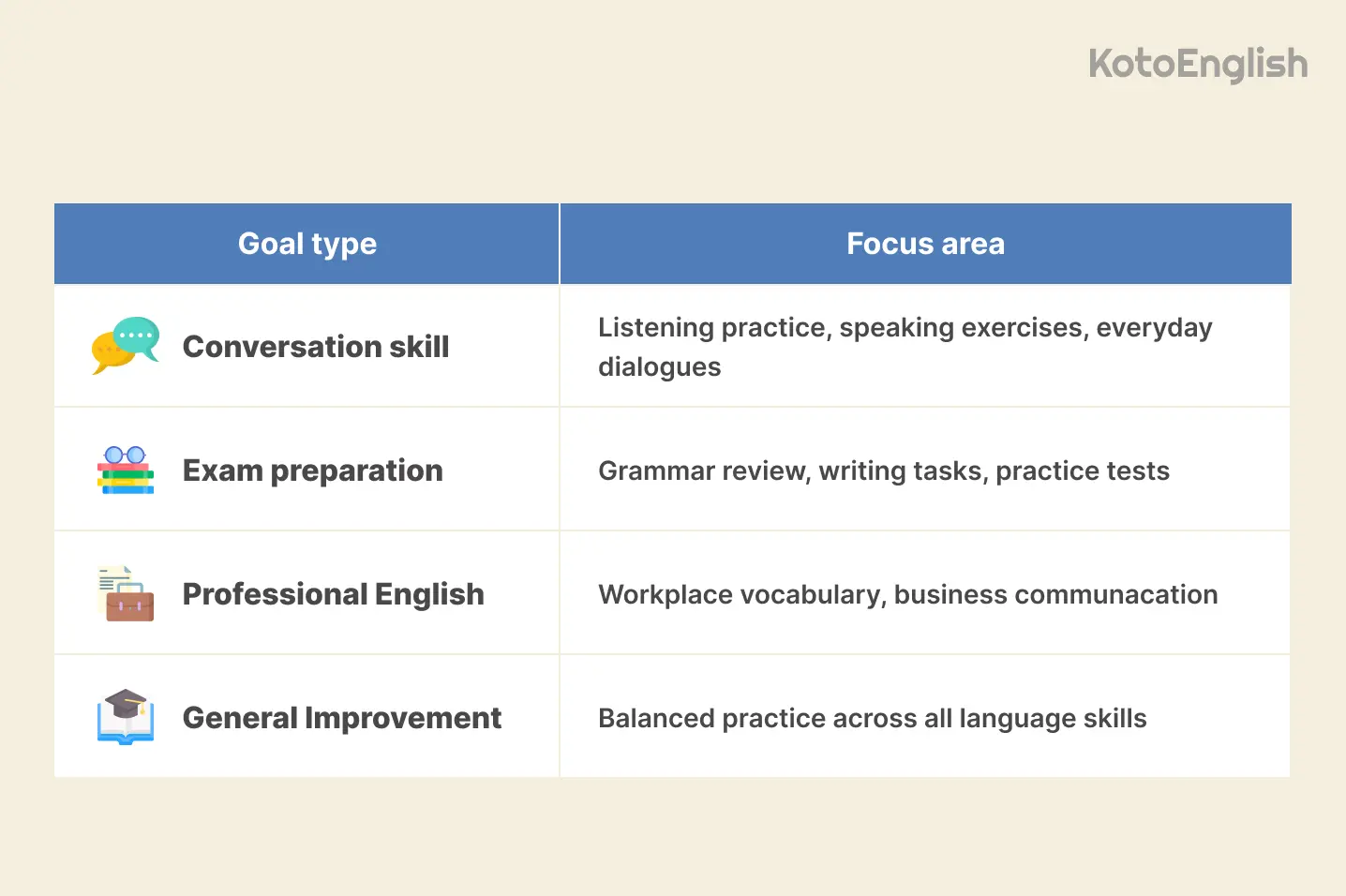
Individuals use English for various reasons, and the learning platforms are designed to achieve specific goals. Some individuals want to enhance their daily communication skills, while others are preparing for work, travel, education and language tests.
Websites generally cater to the varied needs and goals by providing the type of content in the lessons. For instance:
- Conversation-focused platforms emphasize speaking practice and real-life dialogues.
- Exam preparation platforms comprise grammar lessons and practice tests.
- Professional English courses focus on workplace vocabulary and communication.
When the platform matches your goal, your study efforts are more likely to bring real results.
Check time commitment
English learning platforms vary in their approach to lesson organization and time commitment. Before getting started, it helps to ask yourself one simple question:
How much time are you able to commit to studying English each day?
- 10–15 minutes per day: quick interactive lessons
- 30–60 minutes per session: longer structured courses
- Flexible schedule: platforms that allow learning anytime
A platform that fits naturally into your routine makes it easier to maintain regular practice.
Focus on real communication
Fluency is achieved through constant practice in speaking. Some online English learning sites offer this feature for English learners:
- Live conversation sessions with tutors
- Pronunciation practice with AI feedback
- Interactive speaking exercises or simulations
- Conversation practice with other learners
Frequent speaking practice strengthens confidence and develops practical communication skills.
Check consistency and progress tracking
Visible signs of progress can be an essential factor in sustaining motivation as well. For example, many online learning platforms focus on this aspect with tools like progress charts, learning streaks, completion of lessons, and performance reports.
Consistency is just as important online as in traditional classrooms. Reminders and daily goals support the development of regular study habits.
Can you really learn English using only websites?
With so many digital learning platforms available today, it’s natural to wonder whether websites alone are enough to learn English. The short answer is yes — up to a point. Organized lessons, exercises, and regular interaction with the language can all be found online. However, mastering English usually requires more than just reading lessons and completing quizzes.
Pros of online self-study
Digital learning platforms create several advantages for studying English:
Flexibility. The lessons can be completed anywhere and at any time, such as during breaks, on the way to work, or at home in the evening.
Variety of learning materials. Grammar, vocabulary, and listening practice often appear on the same platform, and some websites introduce gamified activities to keep learning engaging.
Affordability. There is no doubt that there are a huge number of websites that can be accessed for free or at a low cost.
Consequently, online self-study offers an accessible and flexible path for beginners starting English.
Limitations of learning alone
Although online learning has many benefits, learning English without guidance can create a few obstacles. The main ones are listed below:
Lack of feedback. Without guidance from a teacher or speaking partner, mistakes in pronunciation or grammar may go unnoticed.
Motivation challenges. Studying alone requires strong self-discipline and regular practice, which can become difficult to sustain.
Few opportunities for real conversation. Natural speaking skills usually develop through interaction, something that self-study platforms may not always provide.
For these reasons, it is difficult to learn English when you are alone.
Why speaking practice changes everything
For the majority of people who want to study English online, oral communication is one of the biggest gaps. Even if they are proficient in reading and understanding English, they may still feel uncomfortable expressing themselves aloud.
Verbal practice plays an essential role in transforming knowledge into real communication. Whether it happens through live tutoring sessions, language partners, or conversation groups, this type of practice forces learners to think quickly, form sentences, and respond naturally.
As a result, the most effective way to learn English is usually a combination of online study and active conversation practice. While digital platforms help build a foundation in grammar and vocabulary, regular interaction helps transform that knowledge into real fluency.
Tips to get the most out of English learning websites
Online platforms can offer excellent resources for learning English, but real progress depends on how effectively those tools are used. A few simple strategies can make online study more organized, productive, and motivating.
Set clear goals
Studying without a clear objective can lead to random learning and slower progress. Defining a goal gives direction and helps focus on the most relevant lessons.
Breaking a larger goal into smaller targets can also be useful. For example, completing a certain number of lessons each week or learning new vocabulary regularly can create a clear sense of progress.
Create a study schedule
Consistency often matters more than long study sessions. Regular practice helps reinforce vocabulary, grammar patterns, and listening comprehension.
| Study Style | Example Routine | Best For |
|---|---|---|
|
Short daily sessions |
10–15 minutes every day |
Busy learners |
|
Focused sessions |
30–60 minutes several times per week |
Deeper study |
|
Flexible learning |
Study whenever time is available |
Irregular schedules |
A schedule that fits naturally into daily life increases the chances of maintaining a steady learning habit.
Practice speaking regularly
Many learners spend most of their time reading or completing exercises, but active communication strengthens fluency. Speaking forces the brain to process language quickly and build sentences in real time.
Ways to add more speaking practice include:
- Joining live tutoring sessions
- Participating in language exchange conversations
- Using AI pronunciation practice
- Recording yourself speaking and listening for improvement
Even short conversations can improve pronunciation, confidence, and natural communication.
Track your progress
Seeing improvement can be highly motivating. Many platforms make progress visible through features such as:
- lesson completion indicators
- learning streaks
- progress dashboards
- performance reports
Keeping a simple record of study activity can also be useful.
For example, learners may track:
- new vocabulary learned each week
- completed lessons or modules
- minutes spent speaking or listening
- personal notes about difficult topics
Over time, these records highlight improvement and make long-term progress easier to recognize.
Final thoughts
The internet has made English study more accessible than ever. With the right balance of lessons, vocabulary practice, and conversation activities, the top websites to learn English support progress from beginner basics to confident communication.
However, real progress depends on consistent practice and a clear study approach. Setting goals, following a routine, and using the language regularly can greatly improve results.
Ultimately, the best English website is the one that fits your needs, matches your schedule, and keeps you motivated to continue improving.
Frequently asked questions
You may boost your vocabulary, grammar and listening abilities by using websites. Frequent exercise in speaking with others is a common way to foster fluency.
Indeed, there are a lot of free websites to improve English. Many of them feature instructional resources and free programs.
Your current skill level and frequency of practice will determine this. Improvement is frequently apparent in a few months if you train consistently.