
Dynamic immersion of Rosetta Stone
The Rosetta Stone employs an immersion method for practicing a new language. In this system, translation is not used. The meaning of words is provided in terms of context rather than being directly translated from one language to another.
For students interested in more emphasis on speaking correctness, an in-depth ELSA Speak review for pronunciation might be helpful if we are talking about the pronunciation, considering that it makes greater use of AI-based evaluation.
The system makes great use of visual learning techniques. One can have an image depicting someone eating; they would then listen to the term used, and the sentence would appear on the computer screen. The connection is established between meaning and language without the aid of the native tongue.
The structure works like:

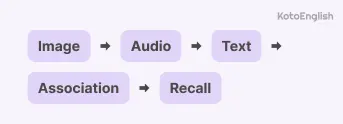
It has been created to enable students to think in the new language rather than translate in their minds. Even though the technique may seem difficult to master initially, it helps improve long-term retention and understanding of the language.
Key features and technology
There are a variety of features in Rosetta Stone that influence the improvement beyond the lessons. In this Rosetta Stone review, we will cover those that utilize themes in short modules, repetition of sentence structures, and synchronization among all devices.
This facilitates creating a study routine and helps maintain the context while continuing the lesson.
TruAccent: How accurate is speech recognition?
The function is an inherent technology in Rosetta Stone that assists with pronunciation. This technology evaluates whether there are any discrepancies between the student’s pronunciation and that of a native speaker. TruAccent uses millions of examples from native speakers to recognize slight disparities in pronunciation.
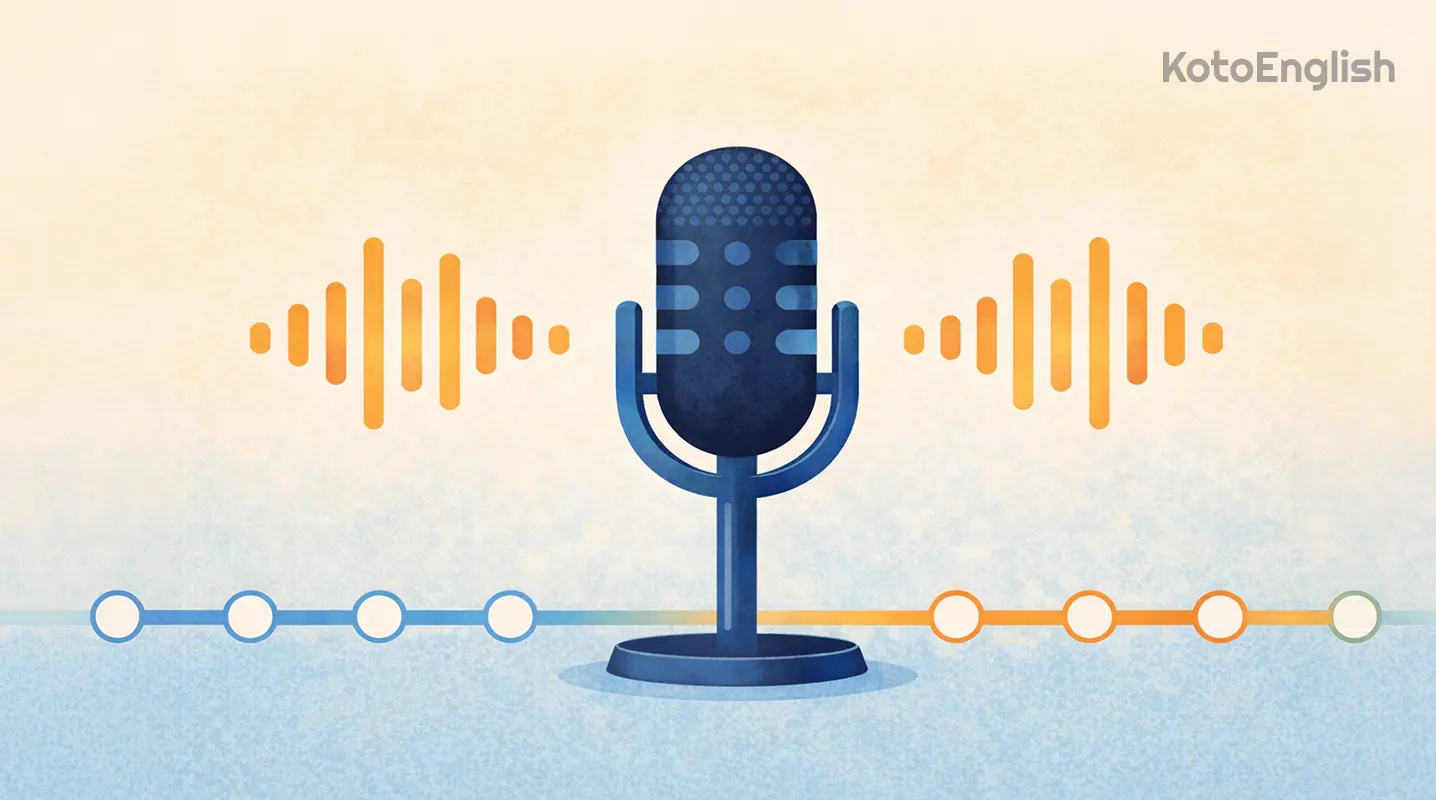
The information about this feature states that users can make the tool more or less demanding and adjust its sensitivity. Another notable nuance is about voices, it supports making it available for children as well.
This feature can be used in addition to other practices of speaking and listening, like when you are watching top-rated films to learn real English and can recognize patterns you have already seen using language learning software.
Phrasebook and audio companion
The phrasebook feature is created so that users do not have to go through all the lessons but still access essential phrases within a short time. They get to hear the native pronunciation of words and can even repeat some phrases.
Audio companion supplements the lessons with audio files that correspond to units in the program. Students are able to listen to native speakers and repeat certain phrases in order to help them improve their vocabulary and pronunciation skills without being restricted by the application.
The offline mode access allows learners to download entire units and audio files and study even without an internet connection. This option is useful for people who travel often or commute to school.
User experience: web vs. mobile app
The way you approach using Rosetta Stone differs greatly based on the kind of device that you use. Everything remains the same, although the pace, comfort, and concentration levels differ alongside your preferences.
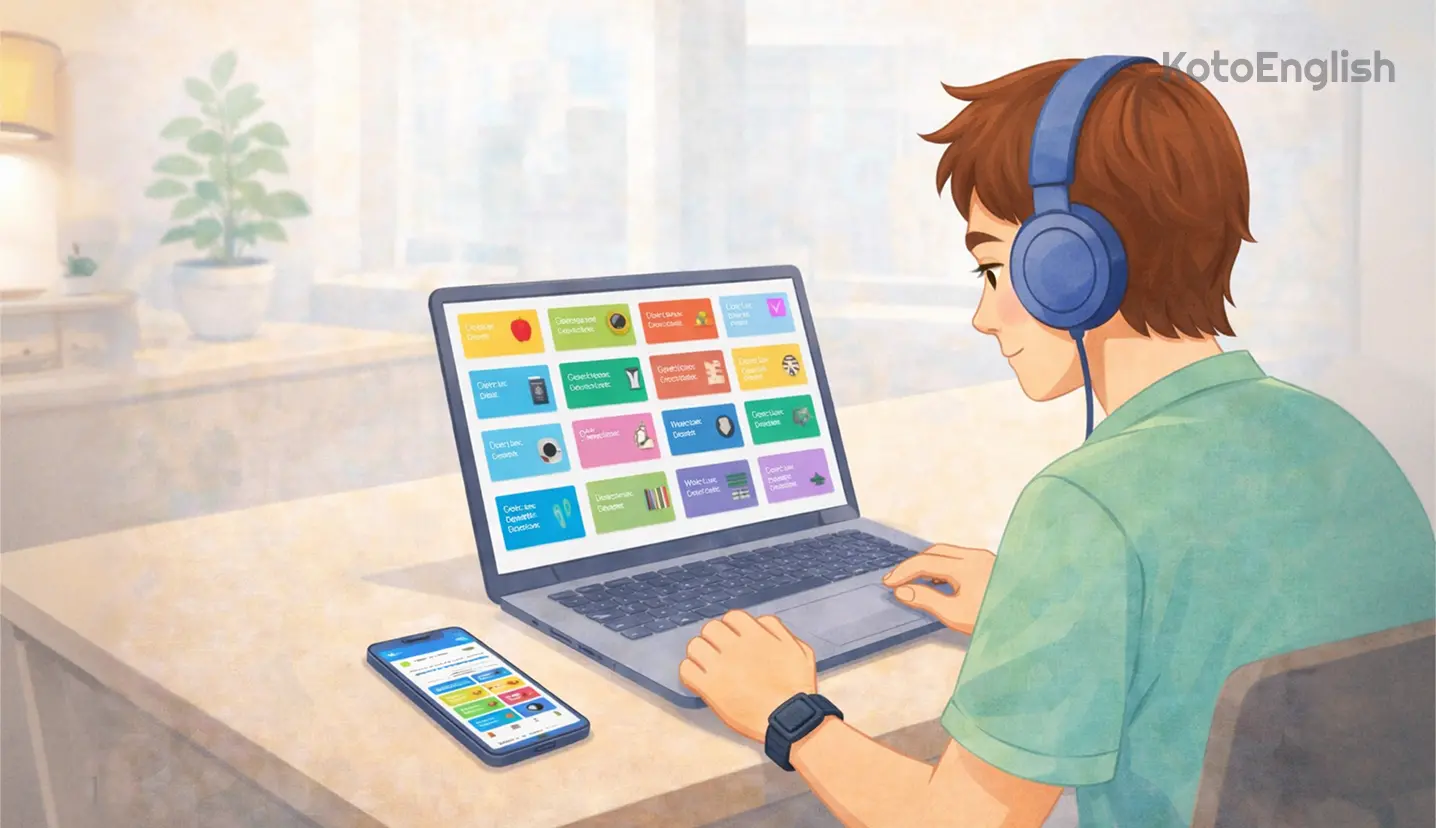
- Web version
For some students, using a browser feels more stable and less cramped owing to larget laptop/tablet screen. It gives more room for text, images, and exercises, allows zooming in or out.
Another thing is that concentration comes easily when one uses a computer or laptop for learning. One sits down, opens the tutorial and concentrates on the study material alone without any interruption. Using a mobile phone might result in constant distraction due to endless notifications from other apps, emails, or just a desire to click on that game icon and distract yourself.
- Mobile application
The app version is more convenient for short-term training and revision. Using this tool, one can easily fit learning into their routine and maintain a study streak without spending much time.
It turns out to be quite useful in keeping up the momentum. For instance, in the case that someone has failed to engage in an entire study session, it becomes easier for him or her to use the mobile version. This is where the effectiveness of the app is realized.
There are reasons why students prefer the web interface like the fact that it is much easier to read and concentrate on while studying for a longer period. In cases when time is limited and you want to continue practicing regularly, the mobile application comes in handy, but it might not be as comfortable to use for more thorough learning.
Is the lifetime subscription a deal?
There are two major methods of pricing by Rosetta Stone: the limited-term strategy and the lifetime option. In the limited term method, one gets to learn for a specified duration of time while the latter is a one-time payment and includes all the languages possible.


The core difference lies in the long-term benefit. The cost of a short-term subscription is lower, hence making it possible to experiment and decide whether or not you would continue using the website. Short-term subscriptions are ideal for people who would like to learn one particular language within a certain timeframe.
For the Rosetta Stone lifetime subscription review, it is essential to note that you will pay once, but you have unlimited access without any renewals. This makes the equation quite different from the traditional one, particularly for those who like self-paced learning.
When considering the Rosetta Stone cost, the best choice for those who are dedicated to learning would be the lifetime plan, which is more beneficial than the recurring payments that come with the short-term subscription plans.
Rosetta Stone for different levels
Although Rosetta Stone is frequently cited as being user-friendly for beginners, it all boils down to how advanced you are. The technique involves using repetition and images while immersing yourself in the process, which is effective for newcomers. But everything changes when you advance and anticipate more complicated language usage.
Is Rosetta Stone good for beginners?
If you are a new kid on the block in studying English, Rosetta Stone seems to be simple and easy. You do not have to study grammar rules or complicated theories. All you need to do is understand the concept through pictures, sound and repetition.
This process eliminates any hesitation that might occur initially. This is because you will start relating words to their meanings without actually translating them mentally. It is due to these reasons that Rosetta Stone for beginners is considered an easy option, especially for those who are scared of other conventional methods.
Another way it is good for students is the predictable structure that makes routine building easier. Starting here from zero will be less stressful and more structured due to clarity.
Can you become fluent with Rosetta Stone?
As you progress past basic English skills, the shortcomings will be much more apparent. The app is good at creating vocabulary, improving pronunciation, and even developing simple sentences, but complex conversations can be challenging.
It can assist you in becoming proficient at an intermediate level. But, for higher proficiency levels such as C1–C2, it is not sufficient by itself. In reality, Rosetta Stone is more of a base from which you can start. It helps you build your confidence and develop your basic skills, but to achieve complete proficiency, you need to do much more than just use this software.
You can use this platform as the foundation and helper in building an English study routine on daily basis, adopting other forms of learning if your goal is to get to the higher levels.
Comparative analysis: Rosetta Stone vs. competitors
There have been many comparisons between Rosetta Stone, Duolingo, and Babbel since all three programs are developed for individuals who want to learn languages. However, despite their similarities, the methods of teaching that all three employ and the users they suit vary greatly from each other.
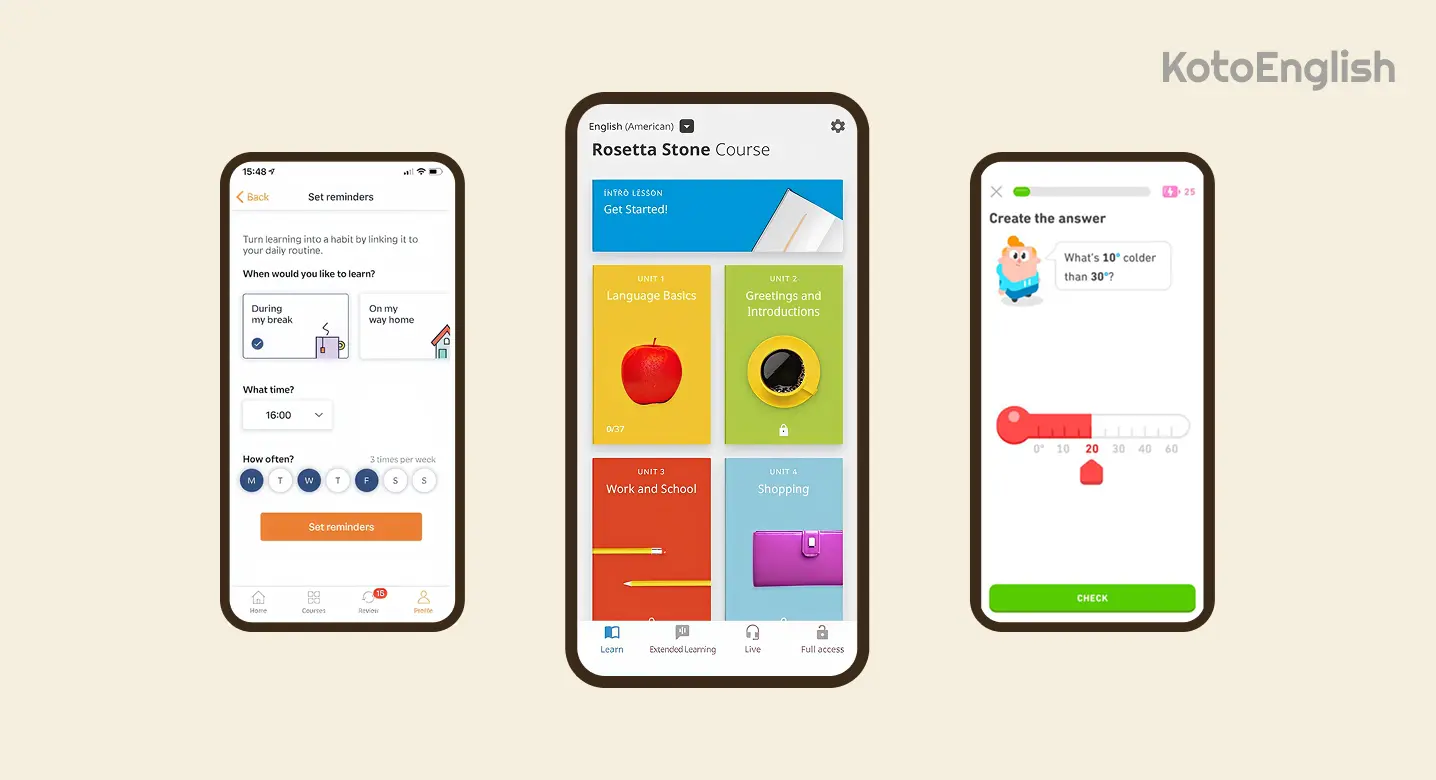
Rosetta Stone vs. Duolingo
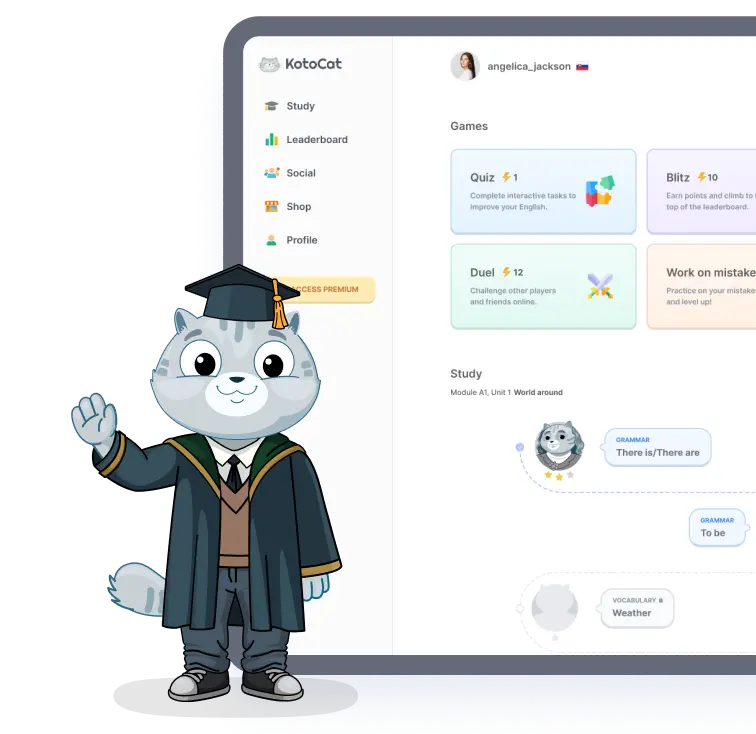
The core difference between them lies in various study habits. You can check the detailed Duolingo app evaluation and see how it is built around speed and gamification to learn more about this app. Here, let’s review the comparison:
|
Feature |
Rosetta Stone |
Duolingo |
|---|---|---|
|
Core approach |
Immersion-based learning |
Gamified microlearning |
|
Lesson style |
Visual, audio association |
Short game-like tasks |
|
Grammar teaching |
Mostly indirect |
Light explanations |
|
Pace |
Slower and more methodical |
Faster and more casual |
|
Best for |
Learners who want structured study |
People who want quick daily practice |
Rosetta Stone vs. Babbel
Here, the difference between Rosetta Stone and Babbel is primarily philosophical in nature. The reason for this is that the former teaches by way of immersion, while the latter focuses much more on explicit instruction. If you want to read more about the second option, we recommend reading the Babbel learning platform review.
|
Feature |
Rosetta Stone |
Babbel |
|---|---|---|
|
Teaching method |
Immersion |
Guided |
|
Grammar |
Learned through context |
Taught directly |
|
Interface |
Minimal and repetitive |
More instructional |
|
Lesson flow |
Pattern recognition |
Explanation followed by practice |
|
Best for |
Intuitive learning |
Clarity and structure |
Rosetta Stone is unique in that it approaches language acquisition through immersion rather than a quick, game-like experience or one that relies on grammar instruction. Duolingo works well for casual users, whereas Babbel is a suitable option for people who prefer explicit instruction.
Pros and cons: a summary
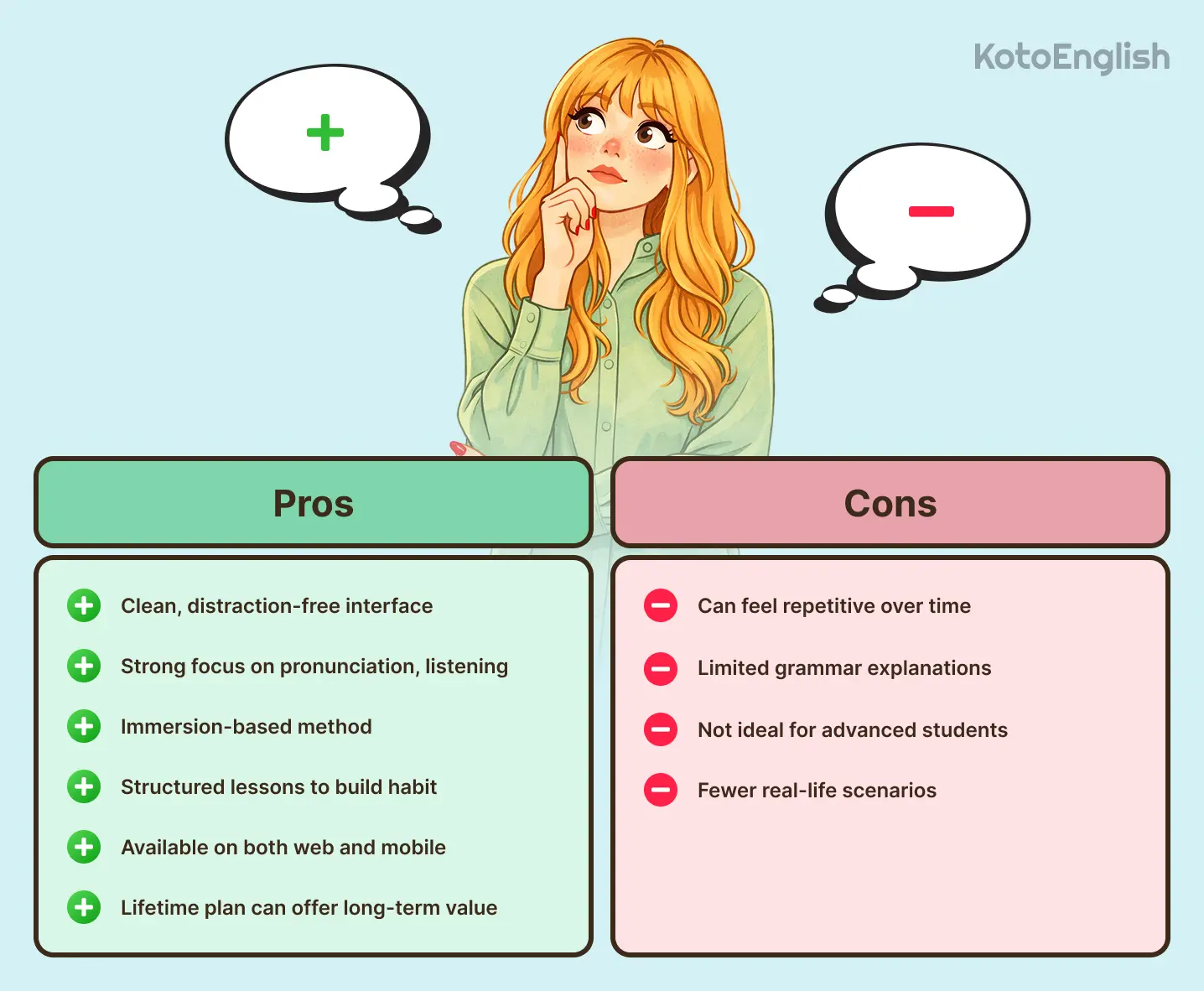
It is imperative to consider both the advantages and disadvantages of Rosetta Stone to be able to make an informed decision about whether it is appropriate for you. Let’s review the short table with Rosetta Stone pros and cons to see what it does well and which gaps you have to be aware of:
Final thoughts: Is Rosetta Stone the right app for you?
The Rosetta Stone language program uses an immersive system that works well in environments where immersion and repetition are at the core of building proficiency. It will work better for individuals who can concentrate within an environment that does not make use of translation when learning.
As you can see from the Rosetta Stone review, it is definitely an option worth considering for people looking to learn a language from scratch. For individuals interested in retaining what they have learned as well as improving their pronunciation skills, investing in Rosetta Stone will pay off in the long run.
FAQ
Not in the traditional way with an outline of grammatical rules. Rosetta Stone does not focus on teaching grammar; rather, it is designed to help users acquire grammar intuitively.
In such a scenario, the application will be ideal for your friend because he prefers to learn through the process of discovery, but for someone who wants a detailed understanding of grammar, it may fall short.
Yes, you can. In fact, that’s what makes it useful. You can download lessons in advance and continue studying even when there’s no Wi-Fi, which comes in handy if your buddy wants to study on the go.
Yes, it can be a good deal with a one-time fee, as there is no monthly membership cost, giving you unrestricted access to all their languages at any time.