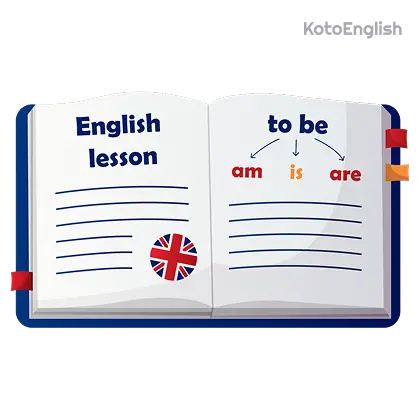
Textbook (noun) — a book used for studying a particular subject, especially in schools or universities, containing educational content, exercises, and explanations written by experts to help students learn systematically.
How to Pronounce “Textbook”?
 Audio (UK):

 Audio (US):
Stress on the first syllable TEKST, where the x sounds like ks, and the second syllable book has a short oo sound, like in “foot.”
Level up your English with Koto!
Examples: How to Use “Textbook” in a Sentence?
Learn and define a “textbook” from these authentic examples showing how students discuss this item during their academic journey and study routines.
What Are Synonyms for the Word “Textbook”?
Although “textbook” is a specific term, these corresponding words will assist you in making a more accurate discussion of the different kinds of learning materials and boost your vocabulary in general.
Related nouns: coursebook manual handbook study guide
Synonyms (contextual): reference book
Common collocations: college textbook digital textbook used textbook
“Textbook” Word Formation and Description in Context
Strengthen your English by learning how to say “textbook” in these practical combinations with nouns, adjectives and verbs that are used daily when discussing courses, materials and the study process.
With adjectives: expensive textbook thick textbook required textbook informative textbook
With verbs: buy a textbook read a textbook sell textbooks borrow textbooks
With nouns (noun + noun): textbook chapter textbook cost textbook rental textbook edition
Idioms and Phrases with “Textbook”
The meaning of “textbook” is pretty straightforward and there are not so many idioms that will cover something different in terms of description. But still, take a look at popular phrases that are most of the time associated with this word.
-
Textbook example — a perfect or classic example of something; exactly as it should be according to theory.
His presentation was atextbook example of how to engage an audience effectively. -
Textbook case — a situation that perfectly demonstrates typical characteristics or follows expected patterns.
Her symptoms were atextbook case of the flu — fever, body aches, and fatigue. -
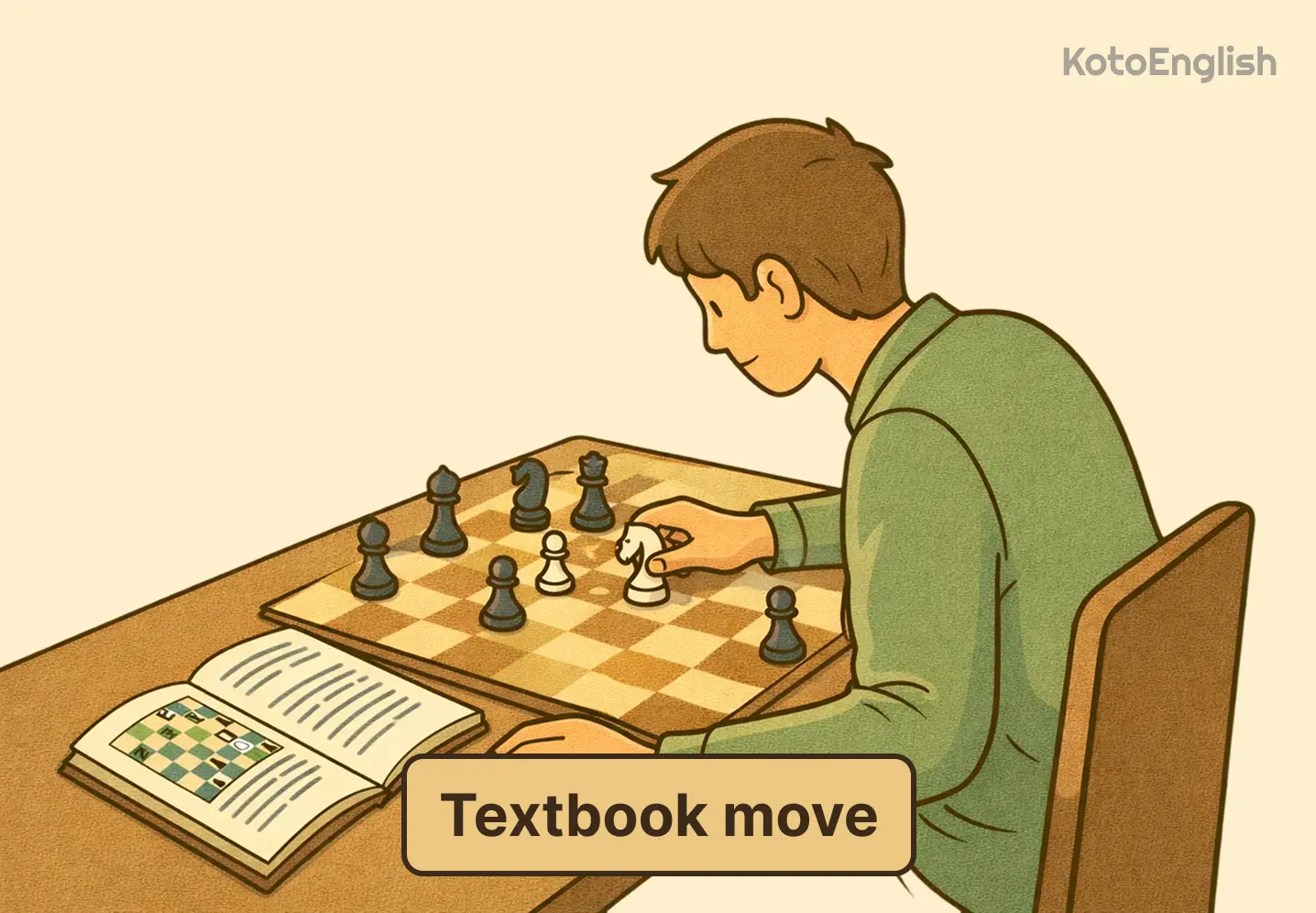
Textbook move — an action or decision that is done exactly as it is described in a guide or manual, perfectly correct.
She defended her argument calmly and confidently, a realtextbook move in negotiation.
-
Digital textbook — an electronic version of a traditional textbook, usually accessible on a computer, tablet, or e-reader, often with interactive features like videos, quizzes, or hyperlinks.
Students were excited to use thedigital textbook , which allowed them to take notes directly on their tablets.
Test Your Knowledge of “Textbook” Meaning: Quiz Time!
Evaluate your knowledge of expressions and “textbook” vocabulary through these comprehension questions made specifically with a learner-centered approach.
Enjoy personalized learning!
“Textbook” Word in Other Languages
Explore how students around the world refer to their educational books in Spanish, French, and German. Listen and learn how to spell “textbook” in these languages.
| Language | Word for “Textbook” |
|---|---|
 Spanish
 |
Libro de texto |
 French
 |
Manuel scolaire |
 German
 |
Lehrbuch |
Discover Fun Facts About “Textbook”
The history of textbooks is quite fascinating and their economics are even more surprising, which together disclose the actual functioning of the educational publishing sector.
-
Textbooks are incredibly expensive in the US.
The typical American university student spends $1,200-$1,500 annually for the purchase of textbooks and other academic supplies. From 1980 to 2020, the cost of textbooks has gone up by more than 800%, making it very hard to cope with the continually changing prices. -
Textbook rental services are growing rapidly.
Textbook rental businesses and digital subscriptions have turned out as popular options to fight against high prices. Students are able to rent physical books for a semester at 40-60% of the purchasing price or to have access to the online versions via subscription services. -
Some textbooks have hundreds of editions.
It is a common practice for popular textbooks to come out with new editions after a few years, making at times only minor content changes. One of the reasons for this is to suppress the used textbook market, as students have no other choice but to buy the new edition.
Quotes Featuring the Word “Textbook”
See how people use “textbook” in English and emphasize its role in education and the impact on learning.
Explanation: Bandura stresses that the use of facts and information contained in textbooks may become outdated, however, the ability to learn independently, think critically and solve problems will always be a tremendous asset during lifetime.
— Masatoshi Koshiba
Explanation: It can be pretty boring to read about science, but learning through experiments and the personal exploration of ideas becomes very attractive and thrilling. True comprehension is achieved through doing alone and not through mere reading.
Explanation: True understanding comes from live experiences and learning from them, through the use of them in practice, given that learning results come from trials and errors rather than relying on theoretical guessing.