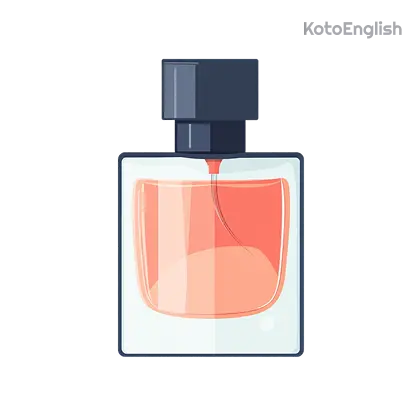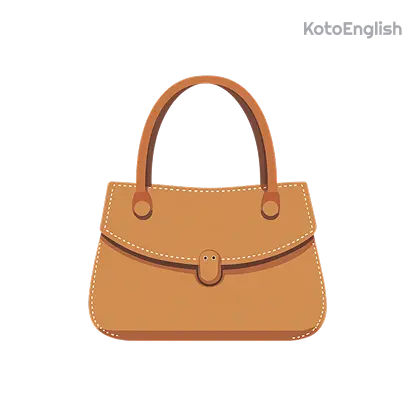
Purse (noun) — a little bag that is used to hold money, cards, keys, and other personal things. In the United States, it means a handbag. This item is usually carried by women.
How to Pronounce “Purse”?
 Audio (UK):

 Audio (US):
Begin with a p sound, then make the ur sound like in “nurse.” End with a soft s.
Level up your English with Koto!
Examples: How to Use “Purse” in a Sentence?
Whether you are shopping, traveling, or simply chatting with friends, “purse” in English appears in many everyday situations.
What Are Synonyms for the Word “Purse”?
From the “purse” description, you know that it is used to carry something, and there are many words that can be used instead of “purse” if you want to avoid repetition.
Related nouns: wallet clutch pouch bag
Synonyms (contextual): handbag
Common collocations: purse strap coin purse clutch purse
“Purse” Word Formation and Description in Context
Understanding how the term “purse” can work with other words helps describe accessories more naturally, whether you want to discuss what you need to do with a purse or how it looks.
With adjectives: small purse expensive purse leather purse designer purse
With verbs: carry a purse open a purse grab a purse lose a purse
With nouns (noun + noun): purse strap purse hook coin purse evening purse
Idioms and Phrases with “Purse”
The meaning of “purse” has been turned into a metaphor by English speakers through various idioms. Most of the time these expressions are related to the idea of money and power, as coins were usually kept in a purse.
-
Common purse — funds that a bunch of people are sharing.
Are the bills going to be paid with the money in ourcommon purse , and is it enough? -
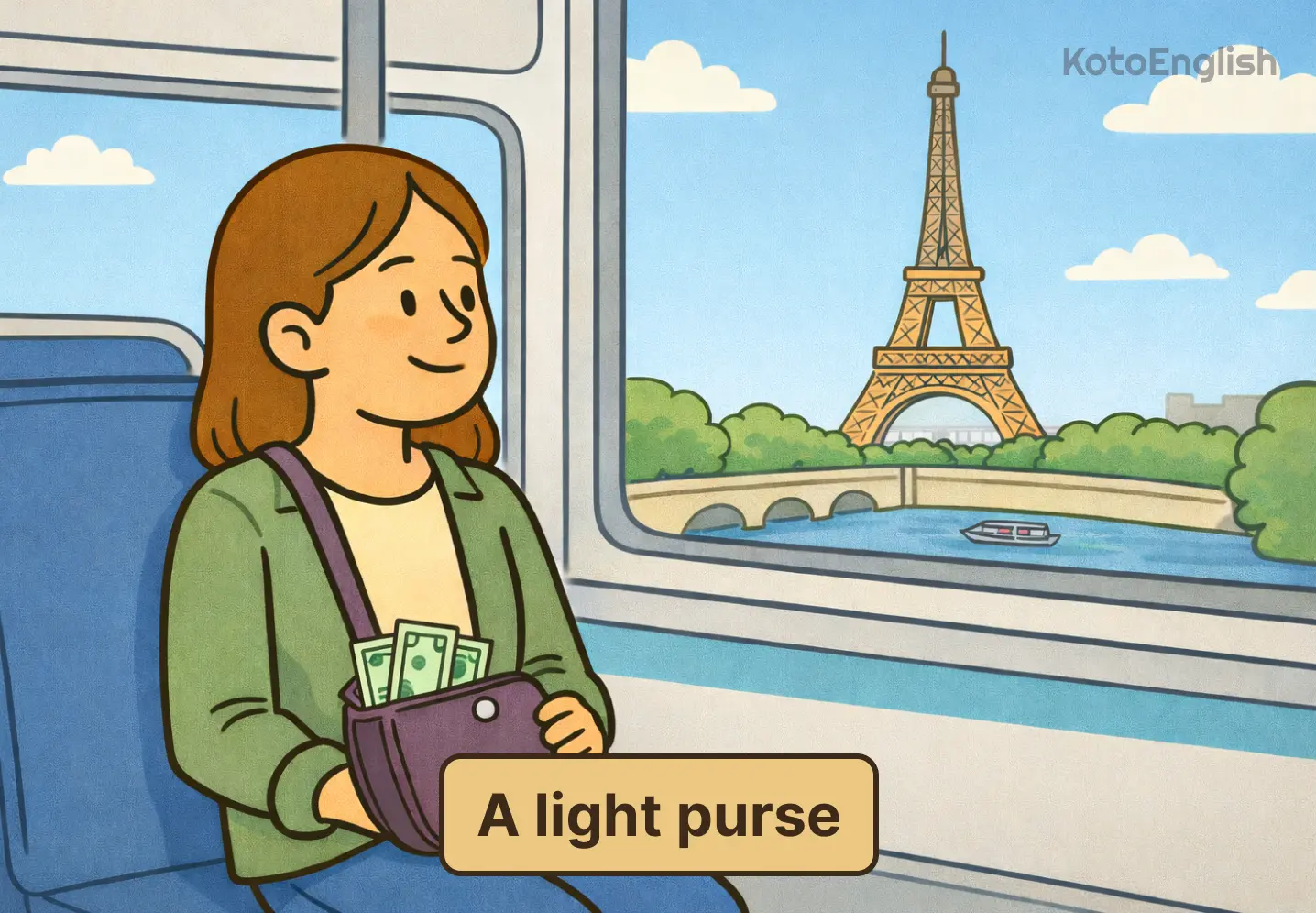
A light purse — meaning having no money at all or just being broke.
Despite the lack of money, she enjoyed Europe witha light purse .

Test Your Knowledge of “Purse” Meaning: Quiz Time!
Are you ready to check whether you can answer the question, “What does a ‘purse’ mean?” Complete these exercises to be able to use this word confidently.
Enjoy personalized learning!
“Purse” Word in Other Languages
Wondering how to say “purse” in German or Spanish? Here is how this everyday accessory is named in three widely spoken European languages.
| Language | Word for “Purse” |
|---|---|
 Spanish
 |
Bolso |
 French
 |
Sac à main |
 German
 |
Handtasche |
Did You Know? Fun Facts About “Purse”
You can define a “purse” and grasp the use of some idioms with it, so it is now a good time to expand your knowledge by getting to know cultural insights, such as origin, value, and designs, for instance.
-
The word “purse” dates back to the ancient Greek language.
The English word “purse” has a direct link with the Greek word ‘byrsa’, which can translate as ‘hide’ or ‘leather’. It went first to Latin and then to Old French, before finally being taken up in English around the time of the Middle Ages. -
Men used purses for centuries before women did.
In ancient Rome and medieval times, men used to wear small leather pouches on their belts to hold coins and other small items. Women’s purses only started to be considered as stylish accessories in the late 1800s. -
The most costly purse in the world was sold for more than a million dollars.
Some rare designs of luxury handbags from brands like Hermès have fetched record-breaking prices at auction, thus increasing their value above that of other luxury items like cars or properties. -
Purse styles mirror the historical culture.
Due to the limited supply of materials during World War II, purses were made of wood, plastic, and even parachutes. The purses of each period speak volumes about fashion, economy, and daily life.
Famous Quotes About “Purse”
“Purse” has been the term used by authors and rulers in the past to indicate opulence, intelligence, and liberality. Check out a few of those sayings:
— Victor Hugo
Explanation: By pleasing others or spending money on things that are of real value, we get something that is of greater worth than coins.
Explanation: The mentioned historical figure was a great advocate of financial liberty for women. She maintained that equal rights for both men and women implied having money for women and not being entirely dependent on the money of their husbands.
— Benjamin Franklin
Explanation: Material possessions can lose their value or even be taken away, but the knowledge you acquire is with you for your entire life and its worth gets more and more over the years.