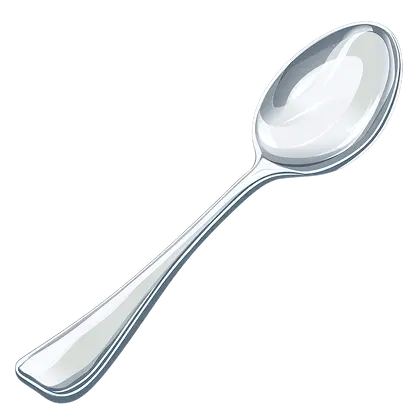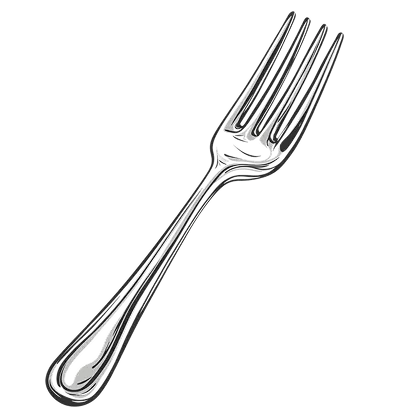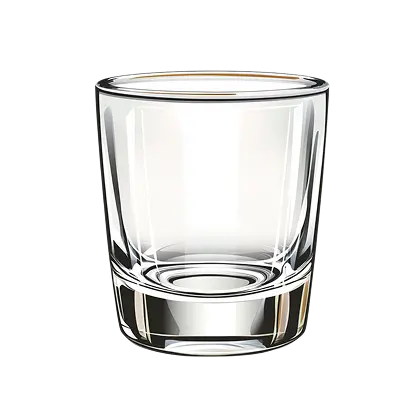

Thing (noun) — a general term to denote any object or item, it is commonly used in real-life situations when discussing something that can be found in the house, something that belongs to you.
How to Pronounce “Thing”?
 Audio (UK):

 Audio (US):
the word begins with a th sound, which is soft, and ends with a strong ng, as in the word “sing,” only shorter.
Level up your English with Koto!
How to Use “Thing” in a Sentence?
The definition of a “thing” is made clear by looking at some common examples. It can be seen everywhere and particularly when people discuss domestic matters or little objects.
What Are Synonyms for the Word “Thing”?
“Thing” synonyms will make you speak more accurately since this term is used every day in the English language.
Related nouns: item gadget
Synonyms (contextual): stuff object
Common collocations: move a thing fix a thing pick up a thing find a thing
“Thing” Word Formation and Description in Context
In order to be able to use “thing” in a sentence, it is necessary to combine it with adjectives, verbs and noun constructions.
With adjectives: a small thing an old thing a heavy thing
With verbs: pick up a thing lose a thing drop a thing
With nouns (noun + noun): thing collection thing storage thing container
Idioms and Popular Phrases with “Thing”
The description of “thing” is easy to follow, but the words related to it demonstrate the extent of creativity of ordinary English.
-
The real thing — something real or true.
That café finally found a chef who can cook thereal thing . -
First things first — reminds someone to focus on the most important task before anything else.
First things first , tidy your desk and then start the project. -
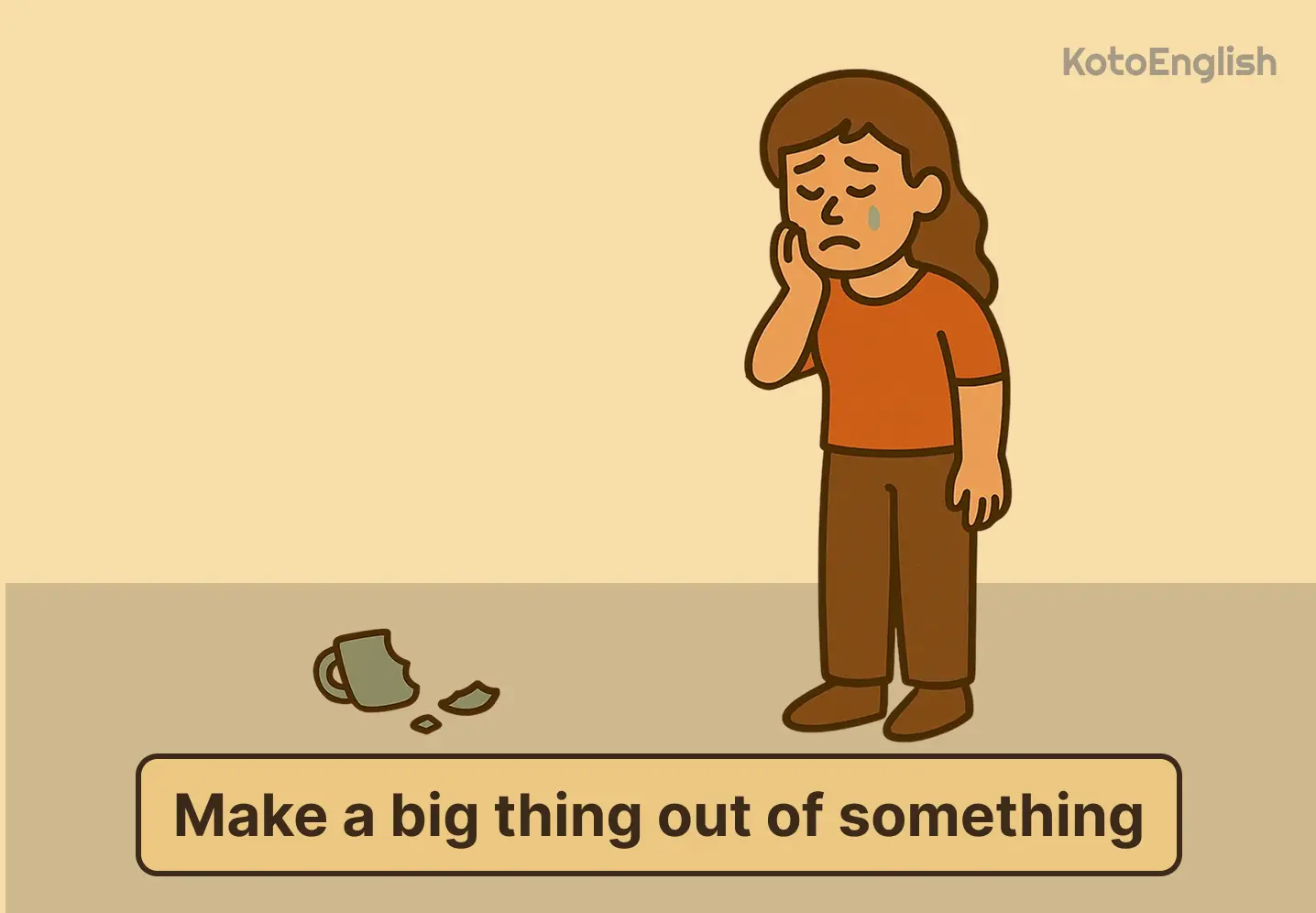
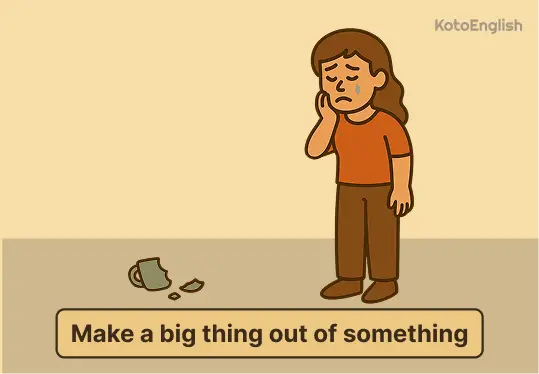
Make a big thing out of something — react too strongly or treat a small issue like a major problem.
You lost a pen, don’tmake a big thing out of it.
-
Best thing since sliced bread — used to describe something excellent or extremely useful.
Everyone loves that new phone. They say it’s thebest thing since sliced bread .
“Thing” Meaning: Check Your Knowledge
It’s time to put your knowledge of “thing” to the test! Complete these activities and expand your vocabulary.
Enjoy personalized learning!
“Thing” Word in Other Languages
You know the spelling of “thing” in English, but how do other popular European languages express the same idea? The differences and similarities are as follows.
| Language | Word for “Thing” |
|---|---|
 Spanish
 |
Cosa |
 French
 |
Chose |
 German
 |
Ding |
This common word “thing” has more to it than meets the eye — let’s discover some fun facts.
This common word “thing” has more to it than meets the eye — let’s discover some fun facts.
-
“Thing” is more than a 1000-year-old part of the English language.
It derives from the Old English word þing, which translates to an “assembly” or a “meeting.” With time, the meaning derived changed to a general term to represent any object or item. -
“Thing” is often used by programmers as a name for variables in code.
This underlines the continued use of the word in modern life and technology as the word offers a convenient, malleable method of referring to the objects, components or ideas that are yet to be completely defined. -
“The real thing” has been the catchphrase used by Coca-Cola since the 1940s.
It was focused on the authenticity and it turned out to be a common phrase in advertising. The “real thing” was taken by people in common language to represent anything that was real or of high quality, not necessarily Coca-Cola. -
Shakespeare and other authors used “thing” creatively in literature.
It frequently indicated unspecified, unidentified, or abstract things and phenomena, which gave authors a chance to hint at the concepts or actions without stating them directly. The word was convenient to use to introduce elements of intrigue, humor or ambiguity into their works.
Famous Quotes Featuring “Thing”
Don’t underestimate the little word “thing.” It is surprisingly versatile because it is used by writers and thinkers to indicate objects, ideas or even abstract moments.
— Albert Einstein
Explanation: By “one thing” here, we mean a fact or a principle, something absolute, something to be trusted. Einstein takes it to demonstrate that there are certain truths in a complicated world that cannot be denied.
— Franklin D. Roosevelt
Explanation: “Thing” stands for an abstract concept, in this case, fear, highlighting how powerful and central that concept is to his message.
— John Keats
Explanation: This is about how beauty (the “thing”) brings lasting happiness; Keats uses “thing” to refer to a beautiful object or idea.