




Radio (noun) — an item that helps in listening to music, news headlines, and programs via sound signals. Radios are employed at various locations, like homes, cars, or mobile devices.
How to Pronounce “Radio”?
 Audio (UK):

 Audio (US):
Speak loudly but lengthen the first sound and then whisper dee and then shout it with oh. The utterance is set in three arduous and crippling parts.
Level up your English with Koto!
Use of “Radio” in a Sentence: Examples
It really helps to understand the meaning of “radio” by observing it in those simple contexts where it can be tedious: in the house, in the car, or at work.
Synonyms for the Word “Radio”
Repetition of the same word constantly can make the speech sound dull. The use of alternative vocabulary and synonyms encourages the learners to speak more fluently and securely.
Related nouns: music news broadcast
Synonyms (contextual): radio set receiver
Common collocations: listen to the radio turn on the radio radio station
“Radio” Word Formation: Patterns and Examples
Repeating the right word combinations will help someone to form clear and direct sentences that are natural in everyday English.
With adjectives: old radio small radio portable radio
With verbs: repair the radio broadcast on the radio record from the radio
With nouns (noun + noun): radio show radio channel radio signal
Idioms and Phrases with “Radio”
Idioms and set phrases let learners realize how native speakers usually speak in everyday situations.
-
On the radio — being broadcast so people can hear it.
My favorite song ison the radio right now. -
A face for radio — a humorous phrase about someone’s appearance (often meaning they look better heard than seen).
He joked he hada face for radio , so he would never be on TV. -
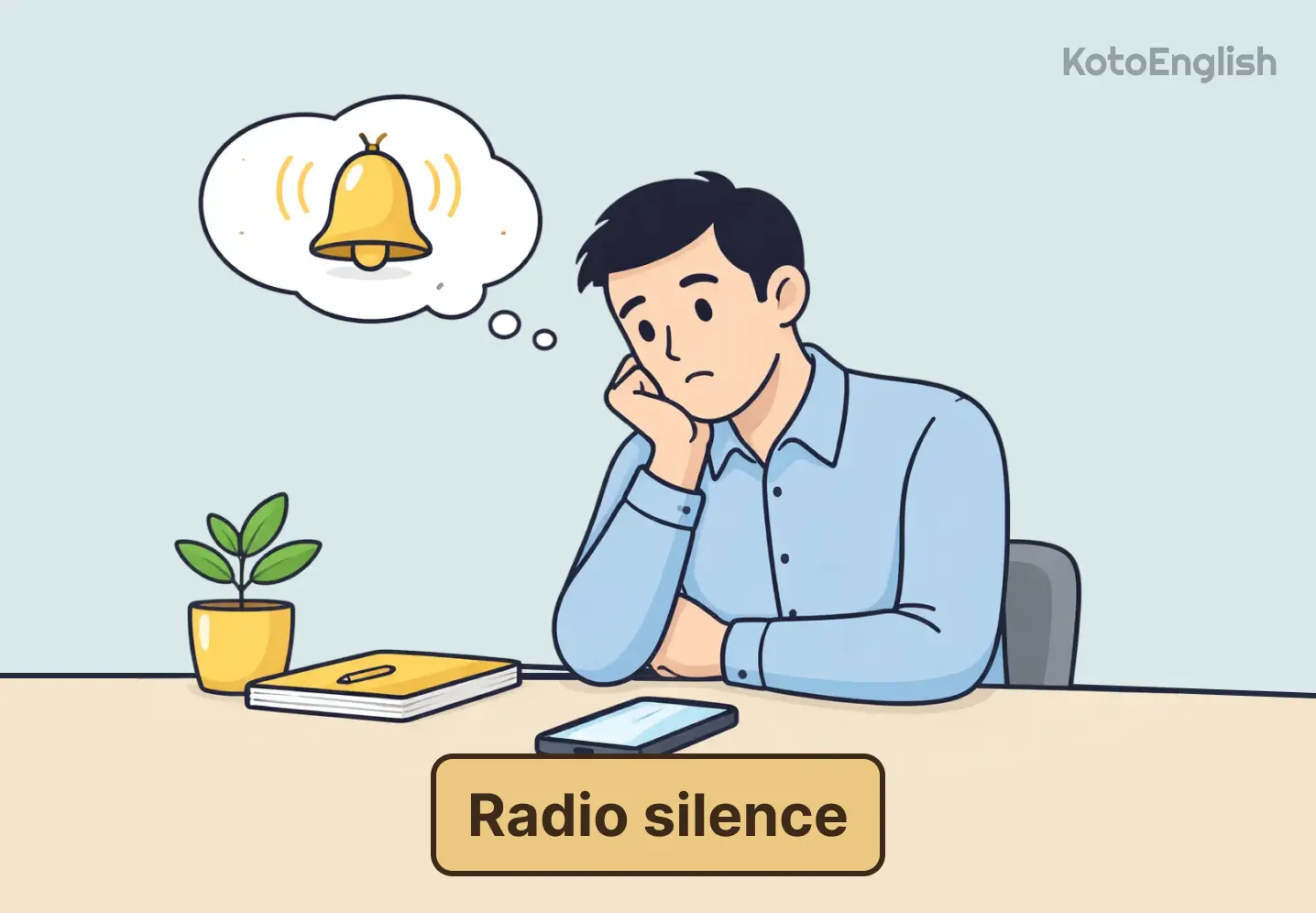
Radio silence — no news or no communication for a period of time.
He didn’t call or write for weeks — totalradio silence .
-
Off the radio — not being broadcast anymore.
That old show isoff the radio now. -
Radio-friendly — describing music or content that is suitable for being played on radio.
Muse’s latest song is veryradio-friendly .
“Radio” Meaning: Exercises for Practice
We have easy activities to check how well you remember the meaning and practical application of the word “radio.”
Enjoy personalized learning!
“Radio” Word in Other Languages
How to say the term “radio” in different European languages? Easy, as it is almost the same in Spanish, French and German:
| Language | Word for “Radio” |
|---|---|
 Spanish
 |
Radio |
 French
 |
Radio |
 German
 |
Radio |
Did You Know These Facts About “Radio”?
In order to define a “radio” and to make it easy to remember, it is suggested to look at these facts about the radio:
-
The first public radio broadcast took place in 1920.
On January 13, 1910, the Metropolitan Opera House in New York City, USA, aired the world’s first public radio program. -
The world’s smallest radio is really tiny.
The engineers made a micro-radio, which is even smaller than a grain of rice, and thus demonstrating the high-tech level of radio technology. -
There are some radios that can float on water.
Waterproof radios, which are specially made for fishing or camping can be used even outdoors for listening to music or news. -
Radio waves have a long reach.
AM radio waves have the ability to travel hundreds of kilometers which is mainly the reason why listeners in rural locations can still be able to hear the broadcasts. -
More people listen to radio in cars as compared to homes.
The research indicates that more than 60% of radio listening occurs in cars, hence radio has become one of the most favored travel mates across the globe.
Inspiring Quotes Featuring “Radio”
One of the most powerful examples of how radio has the ability to unite people has been shared by quotations from famous personalities, their words being storytelling, information, and emotion.
Explanation: This quotation underlines the fact that radio is very personal and direct. The human voice, even without visual support, can communicate emotions and tales in such a way that audiences get involved.
— Milton Berle
Explanation: The humor in the quote quite distinctly points to the fact that radio spreads messages all over the place even in the case of non-direct interaction between the listeners and the broadcaster, thus displaying its strength of connecting one voice to so many people.
— Bob Edwards
Explanation: The statement conveys that the radio provides an auditory experience to its listeners, hence it is a strong medium for the delivery of information, music, and the alteration of feelings.