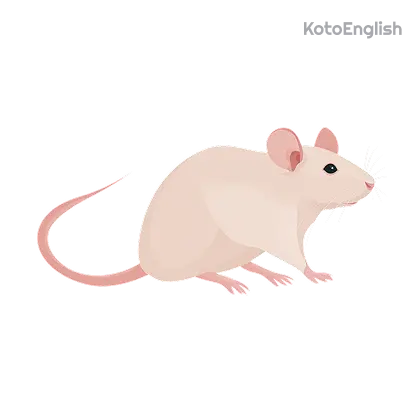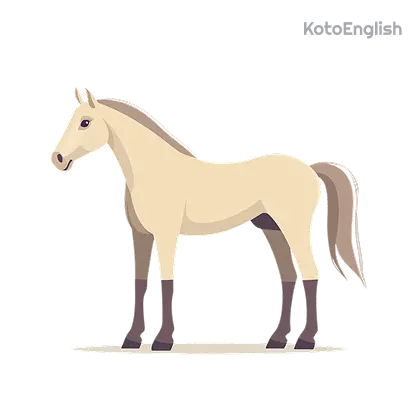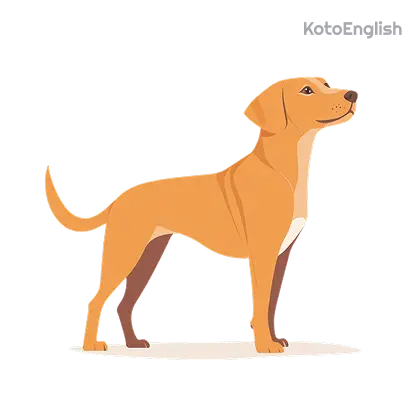

Dog (noun) — a domestic animal with four legs, fur and a tail, known as “man’s best friend,” loyal and friendly to humans, used for companionship, protection, hunting and assistance.
How to Pronounce “Dog”?
 Audio (UK):

 Audio (US):
It is quite simple. Say d + og. Use a strong d sound, open your mouth for the vowel o and finish with a distinct g from the back of your throat.
Level up your English with Koto!
How to Use “Dog” in a Sentence?
Some real-world examples of animal owners and native speakers in general include the use of this word in daily conversations. Take a closer look at them, listen and repeat to get the definition of a “dog” correctly.
What Are Synonyms for the Word “Dog”?
While this word is one of the most common nouns in English, these synonyms for “dog” will help you sound more descriptive and natural while explaining your thoughts, communicating with others and in general will expand your vocabulary.
Related nouns: cat parrot rabbit
Synonyms (contextual): hound puppy doggy
Common collocations: pet a dog stray dog police dog
“Dog” Word Formation and Description in Context
Get acquainted with talking about “dogs” naturally by observing how this word connects with adjectives, verbs and nouns in everyday conversation.
With adjectives: big dog friendly dog trained dog loyal dog
With verbs: walk a dog feed a dog train a dog adopt a dog
With nouns (noun + noun): dog owner dog park dog food dog breed
Idioms and Phrases with “Dog”
So many English expressions involve this word and knowing them might make you sound more like a native speaker and probably help you to understand the meaning of “dog” as well as other people more comfortably.
-
Every dog has its day — at some point, everyone enjoys a chance to succeed or happiness comes to everyone eventually.
You didn’t win this time, but don’t worry sinceevery dog has its day . -
Work like a dog — to work extremely hard, put in long hours and great effort.
I’ve beenworking like a dog all week to finish this project on deadline. -
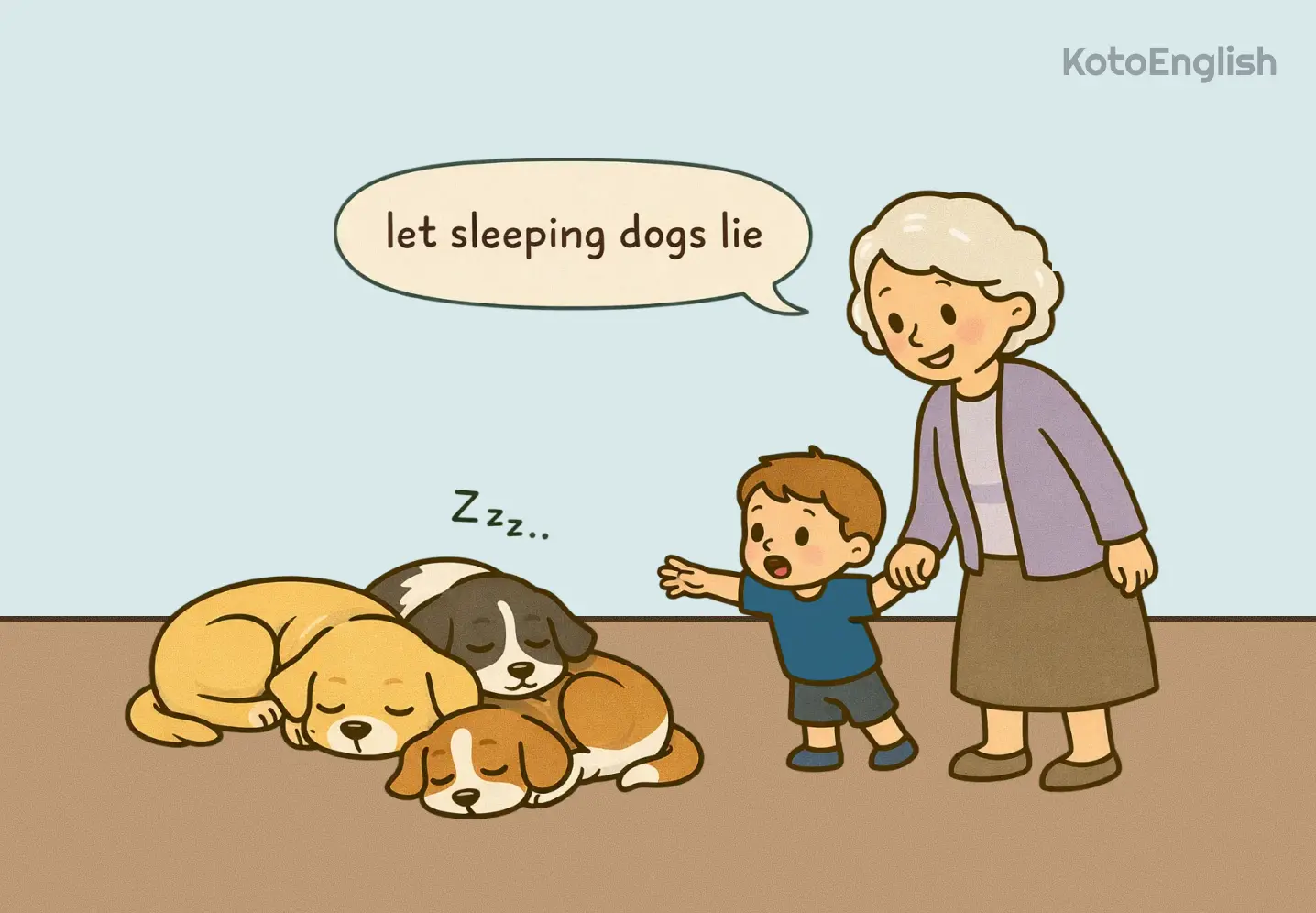
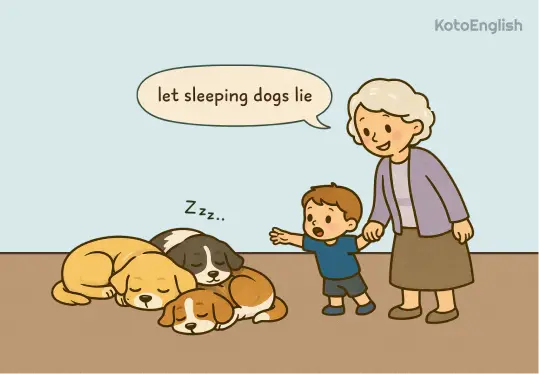
Let sleeping dogs lie — don’t bring up old problems or arguments, leave things as they are to avoid trouble.
They resolved their argument months ago, solet sleeping dogs lie and don’t mention it.
-
Dog-eat-dog world — a competitive environment where people will do anything to succeed, even hurt others.
The businessworld can bedog-eat-dog , with companies competing ruthlessly. -
In the doghouse — means being temporarily out of favor because you did something wrong.
I forgot our anniversary, so I’min the doghouse with my girlfriend right now.
Test Your Knowledge of “Dog” Meaning
It’s time to see if you’ve truly mastered vocabulary and expressions — take this quick assessment to check your progress!
Enjoy personalized learning!
“Dog” Word in Other Languages
Discover how to spell “dog” and properly pronounce it in other popular languages to expand your linguistic horizons and general knowledge.
| Language | Word for “Dog” |
|---|---|
 Spanish
 |
Perro |
 French
 |
Chien |
 German
 |
Hund |
Did You Know It? Fun Facts About “Dog”
“Dogs” are truly amazing creatures with abilities and histories that even seasoned dog owners and animal lovers might not be familiar with. Since you know the word “dog” and how to use it properly, take a look at these fascinating details!
-
Dogs have been humans’ companions for over 15,000 years.
Archaeological evidence suggests that dogs were domesticated from wolves between 15,000 and 40,000 years ago, making them one of the first domesticated animals. The bond between ancient humans and dogs became a symbiotic one for hunting and mutual protection. -
Dogs can smell diseases in humans.
Dogs’ noses are from 10,000 to 100,000 times more sensitive than humans’. Medical detection dogs can sniff out cancer, diabetes, epilepsy and even COVID-19 in human samples in over 90% of cases. Some dogs are even capable of sensing their owners’ changing blood sugar. -
There are over 340 recognized dog breeds.
From the tiny 2-pound Chihuahua to the massive 200-pound Great Dane, each breed now exists for a particular skill or reason. For example: herding, hunting, guarding, companionship, or other specialized tasks that people were in need of at some point in history.
Famous Quotes Featuring “Dog”
Listen to some of the statements of famous personalities concerning “dogs” and the unique relationship between humans and these remarkable animals.
— Josh Billings
Explanation: Humans’ predominant nature is self-centeredness, but dogs radiate love in its most unconditional form, which is their choice to place their owners’ needs and happiness over a supposed need or safety.
Explanation: More than the size and rank, the success would predominantly owe to willpower, bravery, and the strength within. As such, any object or person standing in the way is crushed bravely into his destruction by just resolute hard work and long patience.
— Robert Wagner
Explanation: The emotional contentment, stability, and happiness that come with this kind of love serve as an essential armor against adversity, helping to remain sane and feel very much oriented in life circumstances.