What is the Future Simple tense?
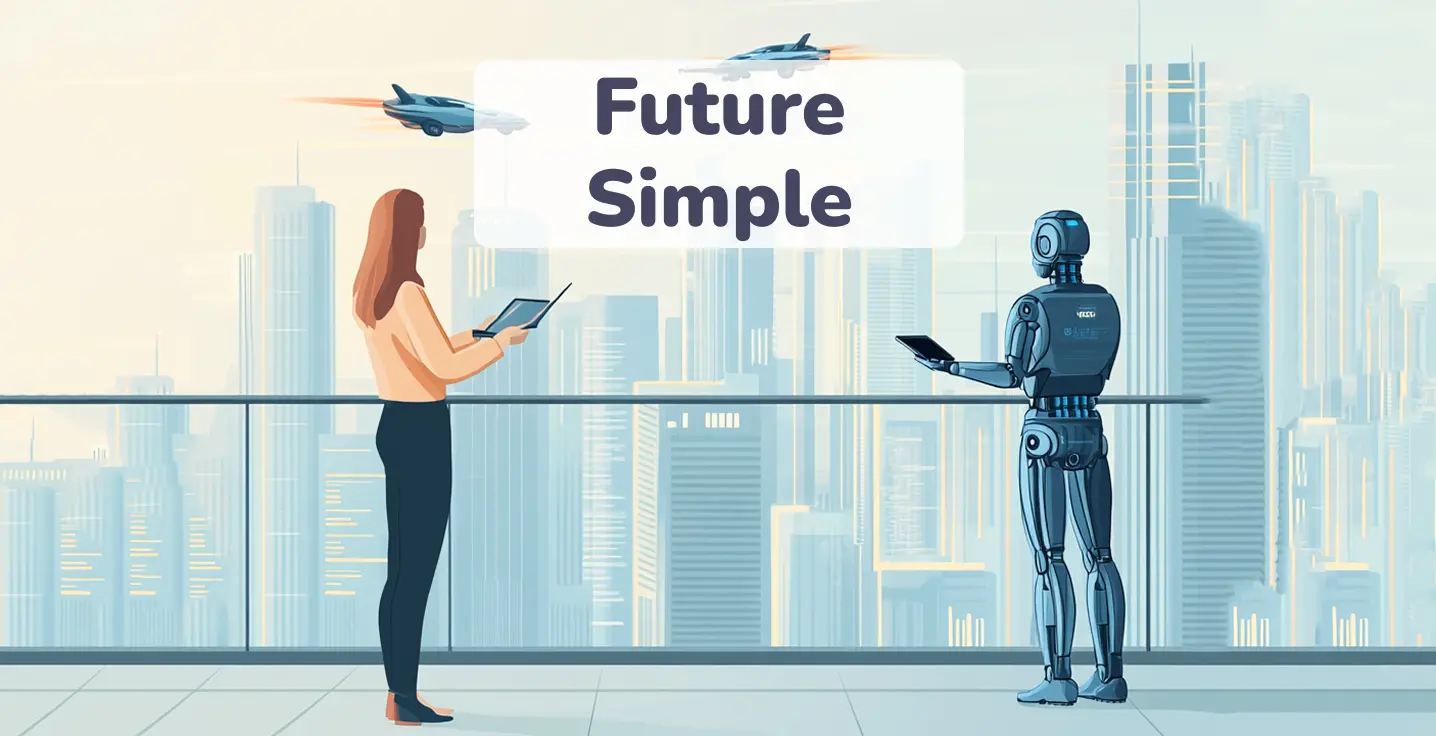
The Future Simple definition sounds like this: it is the tense you can use to talk about actions or things in the future, decisions you make at the moment, actions that will happen, predictions, and promises you make.
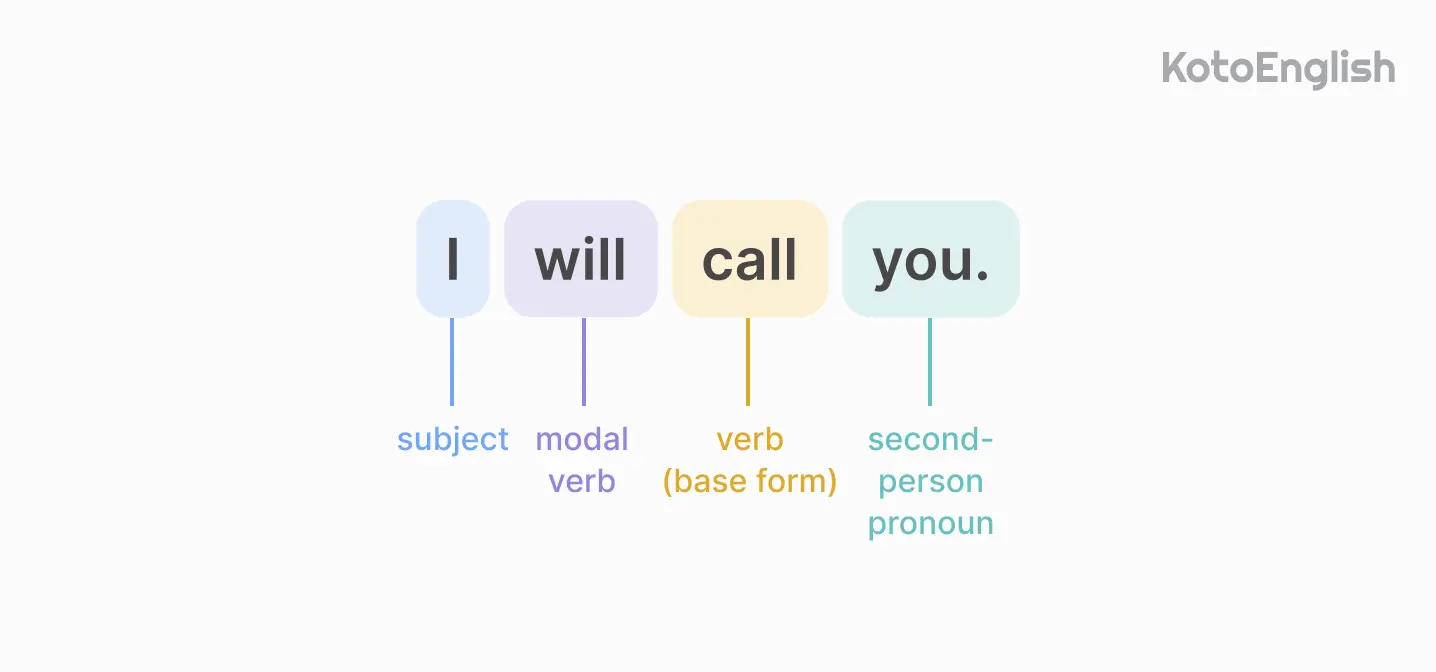
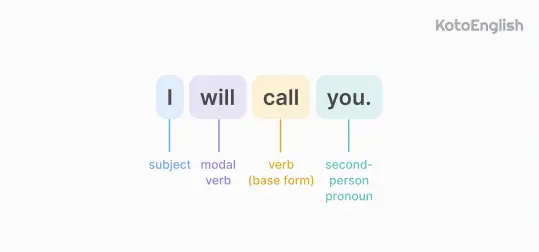
Let’s look at how to use it step-by-step.
Future Simple tense examples:
Level up your English with Koto!
Future Simple tense formula
You form such sentences with will , or shall + the verb in infinitive form. Such Future Simple rules are easy, and you can tell someone about the future.

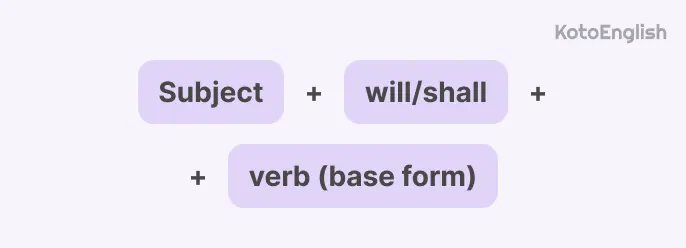
Shall is a modal verb; you can use it to speak more formally or officially with I and We. For example, if you talk to a person you don’t know, saying:
Here, you can see examples of sentences with different subjects and forms:
| Subject | Full form | Short form |
|---|---|---|
| I |
I
|
I’
|
| You |
Our teacher said you
|
Our teacher said you’
|
| He/she/it |
He
|
He’
|
| We |
We
|
We’
|
| They |
They
|
They’
|
| You (plural) |
You
|
You’
|
When to use Future Simple?
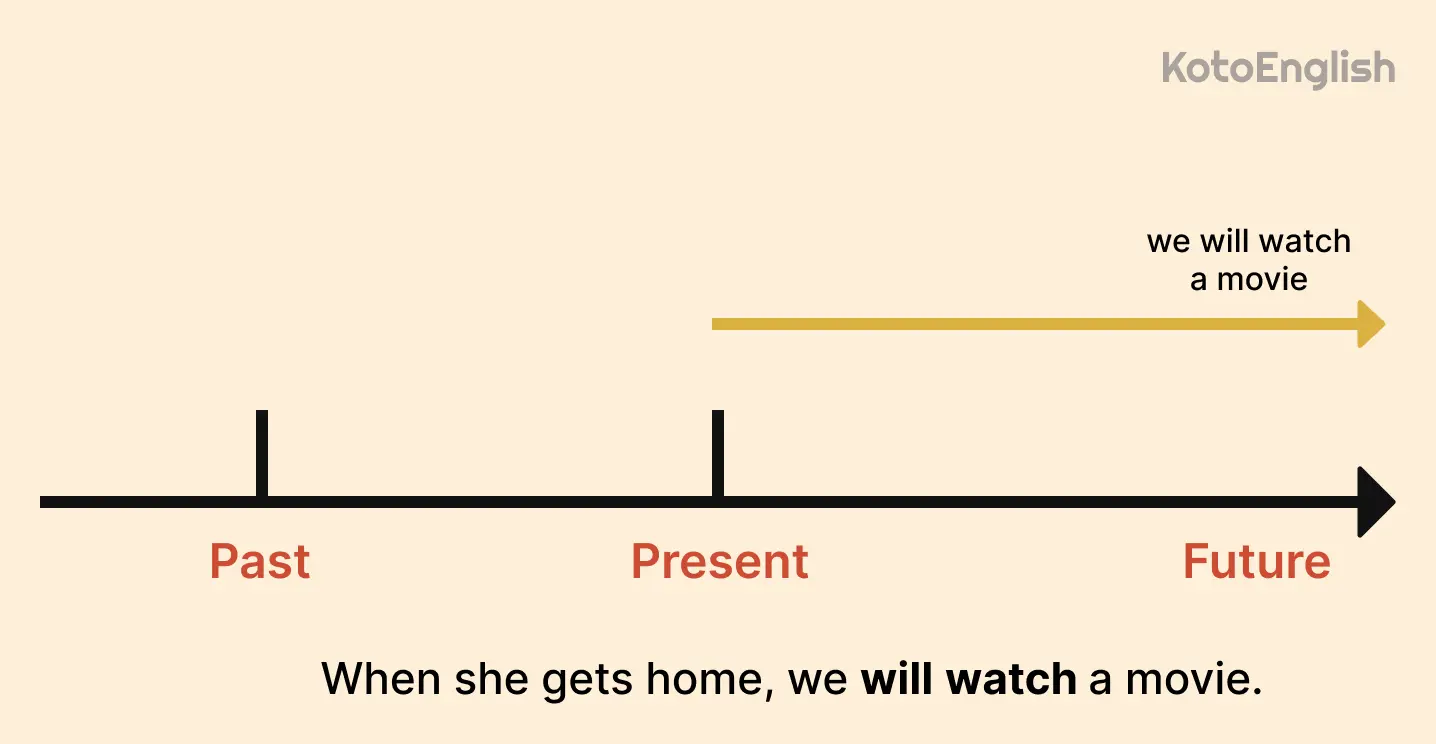
Simple Future tense describes what will be in the future, situations that will happen, your promises, and other similar cases. With the word “Simple” in its name, it means there are no hard and confusing moments. Some of the Future Simple examples are:
| Type | Example |
|---|---|
| Not planned action |
It was such a long workday. I |
| Prediction |
I think you |
| Promise |
You don’t have to worry, I |
| Warning |
If you don’t think about decisions, you |
| Facts in the future |
My dad |
Time markers
This grammar point makes your sentences clear. They indicate when exactly (or around what time) something will happen.
| Time indicators | Examples |
|---|---|
| Tomorrow |
I promise that I
|
| Soon |
She
|
| Next week |
I
|
| In the future |
I hope we
|
| Someday |
|
Be going to vs. Will
The difference between will and going to with examples is the best way to understand this grammar.
Will is used when you want to speak about actions in the future that you didn’t plan or expect, some predictions, and unforeseen moments.
Be going to is used for plans which 100% are going to happen.
Here are Future Simple practice sentences:
- Oh, this cafe has no latte. I will buy some in another one. (The person didn’t expect there was no latte. They have to go to another cafe).
- I don’t drink coffee because I’m going to buy a latte in my favorite cafe. (This action is planned).
- I didn’t know it was the end of the meeting! I will send my report to HR in a minute. (This sentence describes the situation when the person made a rapid decision).
- I know it’s the end of the meeting! I’m going to send my report to HR in a minute. (It was planned, and the person is going to do it immediately).
Here’s a table that showcases differences between will and be going to Simple Future tense examples:
| Usage | Will | Be going to |
|---|---|---|
| Decision |
My credit card is banned! I
(The decision was made in the moment of realization that they have no money to pay, it wasn’t planned). |
You paid the last time! I
(The decision was made before this conversation happened). |
| Promise |
That’s a lot of work, so I
(The person sees that there is a lot to do and decides to help another person). |
I
(It was planned before, so the person takes action). |
| Prediction or ideas |
He
(The person thinks it will happen without a guarantee). |
I talked to him, and he
(It’s proof that the action is going to happen). |
For you to get this tense better, we prepared a few Future Simple sentences that you can hear every day in conversations about work, travel, plans, money, music, or else:
How to use the Simple Future tense?
Simple Future form is clear to learn, but it has a few moments to review. We will make everything easy by looking at questions and negative sentences and will vs. be going to.
Affirmative sentences
This type of saying is the most common, used by speakers daily. Here, you simply put will after the subject and add a verb in a base form. Here are the common real-world cases of usage:
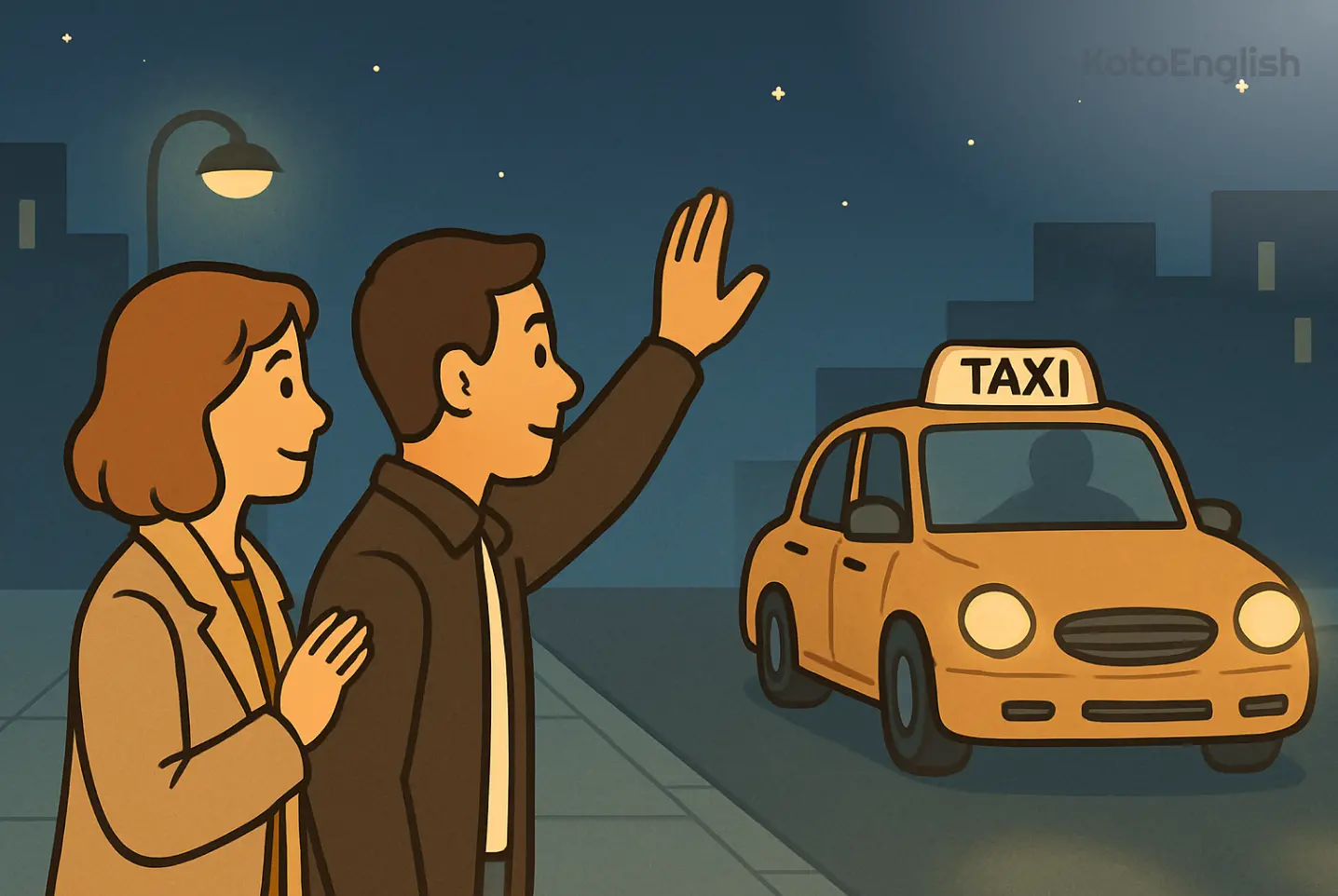
Promise
Prediction
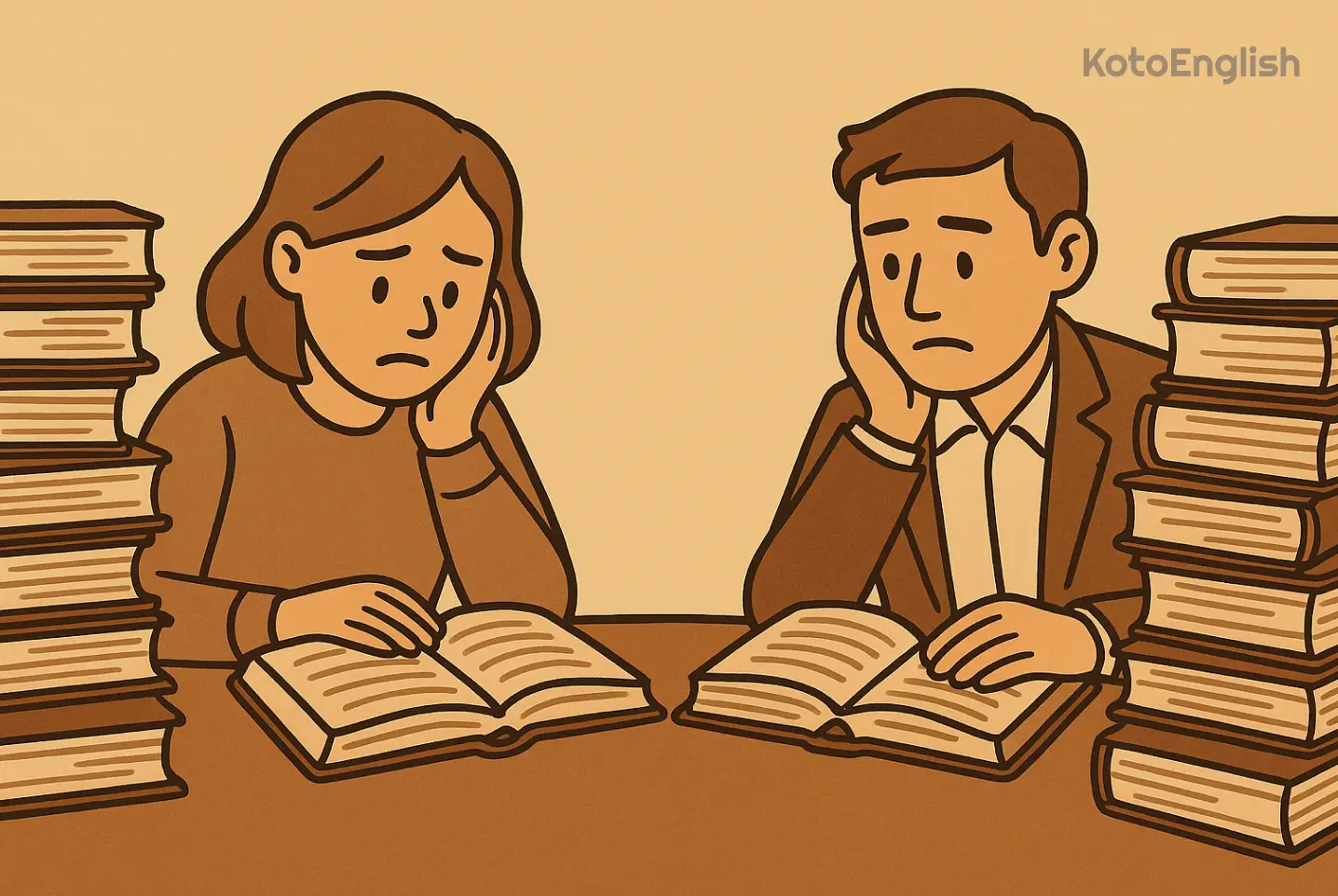
Decision (made at the moment of dialogue)
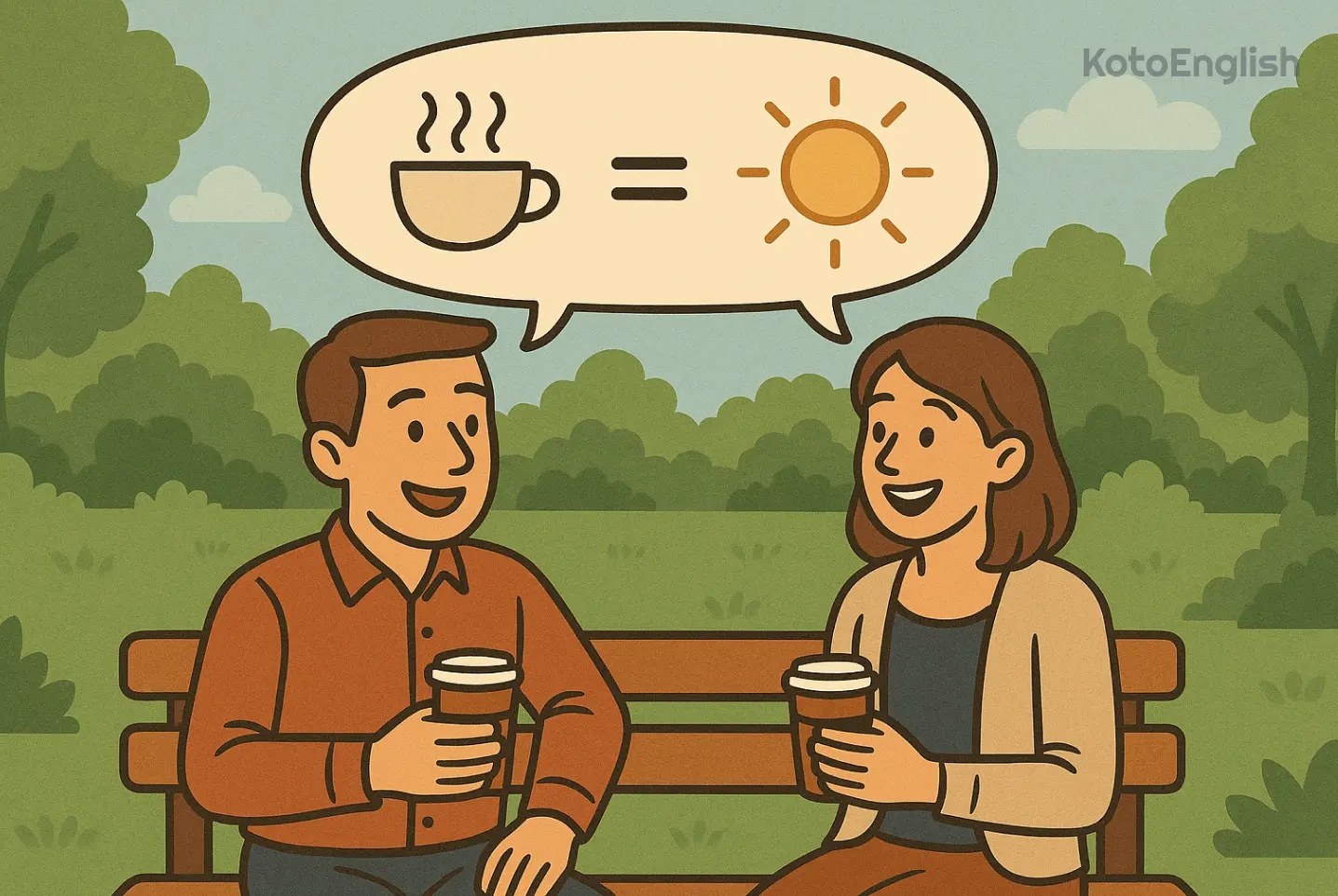
Arrangement
Negative sentences
For negative sentences, you just add a function word not after will. Here’s the formula:

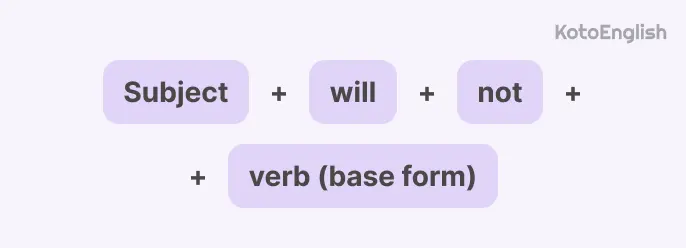
The Future Simple structure for this case looks like this in daily conversations:
| Subject | Full form | Short form |
|---|---|---|
| I |
I
|
I
|
| You (singular) |
You studied hard, so you
|
You studied hard, so you
|
| He/She/It |
She
|
She
|
| We |
We
|
We
|
| They |
They
|
They
|
| You (plural) |
You
|
You
|
Enjoy personalized learning!
Questions
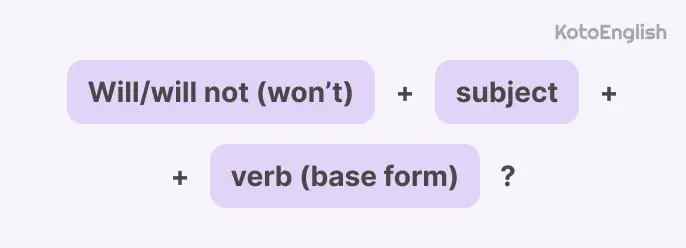
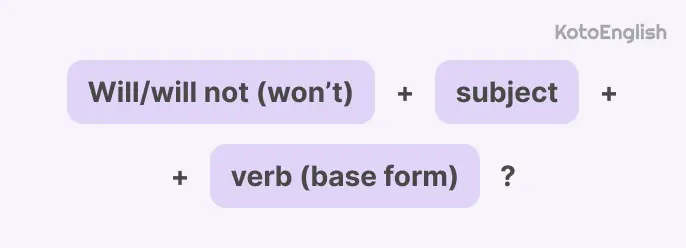
To form a question with Future Simple rules, you place will at the beginning, add a subject and a verb infinitive.
Yes/No questions

Let’s see how it works in conversations:
| Question | Answer |
|---|---|
|
|
Yes, my brother
|
|
|
Yes, I
|
|
|
No, I
|
Wh-questions

Here are some more sentences for you to practice such questions:
| Question | Answer |
|---|---|
|
It’s a lot of food! Who
|
My friends
|
|
What
|
I
|
|
Why
|
I
|
Common mistakes with Future Simple in English
The Future Simple tense is a great and correct way to describe actions you plan to do, some ideas and suggestions, and it’s easy to learn. In this part, you will learn some mistakes people usually make to prevent them from being made in daily speech. Here is the Future Simple example and explanation.
Using Future Simple instead of Present Simple
Sometimes, people can use Future Simple for habits, things you do regularly, and facts, which is wrong:
|
I will go to work every day.
|
I go to work every day.
|
|
I will go to the gym every morning.
|
I go to the gym every morning.
|
|
She will make mistakes daily.
|
She makes mistakes daily.
|
Mixing will and be going to
Both of them are used to talk about the future but in different contexts. They have similar meaning but different usage.
Will tells us that the decision or action is made at the moment of speaking. Be going to is used when you are talking about planned actions.
|
I know I have to pass this test! I will study hard.
|
I know I have to pass this test! I am going to study hard.
|
|
I will going to the party next Sunday.
|
I am going to the party next Sunday.
|
|
I will visit my friend this weekend.
|
I am going to my friend this weekend.
|
Adding to after will
We don’t place to after will and before the base verb unlike in structures for other verb forms.
|
My parents will to go to the cinema.
|
My parents will go to the cinema.
|
|
She will to visit her friend in the hospital.
|
She will visit her friend in the hospital.
|
|
She will to win the election.
|
She will win the election.
|
Practical tips for mastering the tense
This tense is a basis for future grammar learning, so you need to be confident when using it in communication, while doing exercises, preparing for tests, and more. Here, you will find a brief review of pro tips from advanced learners.
Tip 1. Start with a promise
You use Future Simple when promising something to yourself or other people. Right now, make one for yourself about your learning path. Say something like, “I will do a Future Simple activity on KotoEnglish!”
Tip 2. Write your to-do list in the Future Simple tense
Turn your daily routine into fun and easy learning. Here is an example from one of our experts.
To do:
Tip 3. Practice will vs. going to
You can find more rules in the section below, so here, you need to practice by using these verbs. Use will make predictions or decisions and going to for the plans you made before.
Tip 4. Write down your plans for tomorrow.
Even if you have scheduled nothing or a few things, you can write them in Simple Future. Take a pen and paper, open a chat with your friend or relative, and write down what you will do the next day. To practice the negative form, write about what you will not do.
Summary
You know all the Future Simple rules and can make a mistake-free and native conversation about things that will happen in the future, your promises, ideas, considerations, and predictions. Keep practising, and you will understand it’s easier than ever!
FAQ about Future Simple tense
There are specific and unspecific time expressions you can use to make your sentences in Future Simple tense sound natural. Some of them include:
- tomorrow
- next week/month/year
- on Monday (or another day)
- in two days/years
- this weekend/evening/month
- soon
- lately
- by tomorrow
- until
- later
To say simply: if your decision is made at the moment or you have an opinion that something will happen, you need to use will.
It’s pretty easy, as this tense is used in a few common situations when you want to talk about:
- the decision you made immediately;
- something you think will happen;
- promises you make;
- facts about the future.
For example:
No, you need to use the Present Simple instead. Here are some examples:
Let’s start with the habits, and the answer is no, you can not use this tense to talk about actions you repeat regularly. It’s better to use the Present Simple.
When it comes to the facts, you can use Future Simple if it’s about something that will 100% happen in the future.
Yes, it is a rare usage, even old-fashioned, but you can use it. For example, if you want to sound much more polite, or you want to ask for permission. Check the examples: